
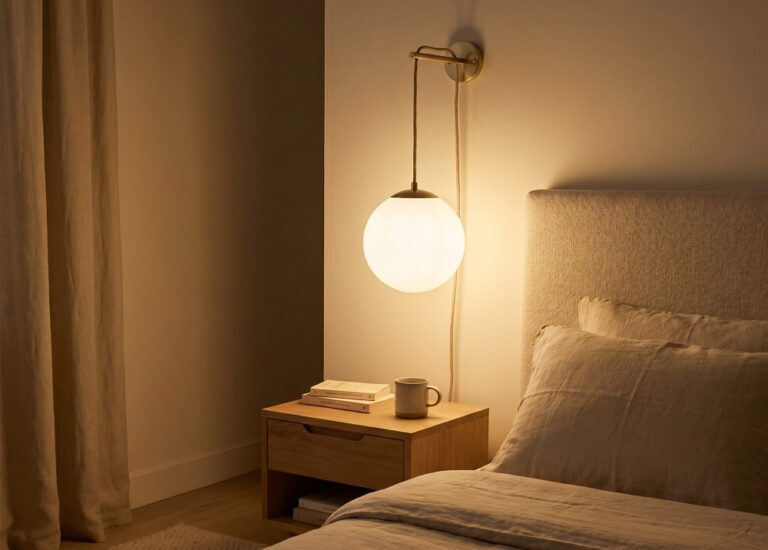
Wabi-Sabi Lamp : Creating Soft Lighting for a Serene Interior
There are interiors where light does more than just illuminate—it soothes. With a wabi-sabi lamp, this soft light becomes the centerpiece of the decor. This

Slow decorating has emerged as an elegant response to an era saturated with objects and fleeting trends. Far from standardized, disposable interiors, it invites us to slow down, to consume less but better, and to create a home where every piece of furniture, every object, and every material tells a story. This philosophy, inspired by the slow life movement, celebrates the beauty of the long term, the authenticity of materials, and the joy of discovering vintage treasures. At Alfama Chic, we’ve made this our signature: every vintage lamp crafted in our Lisbon workshop embodies this spirit of slow design, blending reclaimed marble, timeless brass, and vintage glass. So, how can you embrace slow decor in your own home? Which materials should you prioritize? What trends should you follow in 2026? Dive into the heart of a decor style that is responsible, soothing, and deeply beautiful.
Sommaire
ToggleSlow decorating—or “déco slow”—is much more than just a style: it’s a thoughtful approach to interior design, inspired by the slow life movement launched by Carlo Petrini in the 1980s with the slow food movement. Applied to everyday life, this philosophy involves decorating slowly and with intention, choosing each piece of furniture and each object for its lasting value rather than for a passing trend.
Here, there is no overconsumption or disposable decor. We prioritize timeless pieces, fine materials, craftsmanship, and the sentimental value of objects. This approach celebrates essential minimalism, where each room breathes and quality takes precedence over quantity. In contrast to fast industrial design, it advocates for a living space designed to stand the test of time without going out of style. It is an ethical, responsible style of decorating that combines aesthetics with environmental consciousness. In short, slow decor transforms the home into a true art of living.

Adopting this approach means, first and foremost, giving your home—and yourself—a breath of fresh air. In a “slow” environment, time slows down and the mind finds peace. The decor is designed to promote well-being, relaxation, and a reconnection with what truly matters. Natural materials regulate humidity and air quality, while soft colors soothe the senses. These are the benefits of slow decor.
The benefits of slow design: Beyond comfort, slow decorating has an ethical dimension: by choosing sturdy furniture, secondhand items, or locally crafted pieces, you reduce your ecological footprint and support a responsible lifestyle. Ultimately, it helps you manage your budget in the long run: investing in a beautiful, timeless piece often costs less than accumulating items of uncertain quality. A tip to remember: it’s better to have a single piece of furniture you love than ten forgotten objects.
Adopting the “slow decor” approach isn’t just about replacing your furniture overnight. It’s a gradual process that transforms your home and your relationship with objects in a “slow” way. Here are the key principles for incorporating this trend into your daily life using natural materials.
First instinct: choose a piece of furniture that will stand the test of time. Say goodbye to cheap coffee tables and trendy sofas that go out of style after just two seasons. Opt for “slow life” decor: clean lines, artisan craftsmanship, and sturdy materials. A solid oak sideboard, a raw wood table, a designer chair from the 1950s—these are all pieces that stand the test of time. Slow furniture is chosen with care, often for a lifetime. It reflects an investment mindset rather than immediate consumption. A golden rule: before buying, ask yourself if the piece will still inspire you in ten years—that’s the slow decor approach.
Slow decor celebrates natural materials that grow more beautiful with time. Weathered wood, golden brass, veined marble, blown glass, crinkled linen: each material tells its own story. These natural elements create a warm, tactile, and deeply inviting atmosphere. We avoid plastics, laminates, and mass-produced items. For your bathroom, bedroom, or living room, choose textiles made from sustainable fibers (organic cotton, wool, hemp) rather than synthetic fibers. Japanese paper, jute, raw ceramics: each noble element embodies the slow lifestyle.
Thrift shopping is the very essence of slow decorating. Flea markets, garage sales, antique shops, vintage boutiques, and secondhand platforms: there’s no shortage of inspiration for unearthing that rare find that will make all the difference. A weathered mirror, an Art Deco vase, an opaline pendant light: every find brings a unique soul to your home. At Alfama Chic, we work every day in this spirit: our lighting fixtures incorporate antique glassware sourced in Portugal, restored using traditional craftsmanship. A design that transforms the old into the new, while preserving its history: soothing and sustainable decor, to create a cozy haven and a truly serene atmosphere.

The choice of materials is central to slow decorating. They determine the atmosphere, durability, and environmental impact of your home. Here are two main categories to prioritize.
Wood remains the undisputed star of slow decor: warm and full of life, it develops a beautiful patina over time and can be repaired. We prefer it in its raw, solid form, sourced from responsibly managed forests. Linen, meanwhile, adds a soft, flowing drape to your curtains, sofa covers, and table linens. Environmentally friendly (it requires little water and grows in Europe), it becomes more beautiful with every wash. Organic cotton, wool, jute, rattan, Japanese paper, and terracotta round out this collection of natural materials. In the bedroom, a beautiful bedspread and a wooden nightstand are all it takes to create that sense of coziness we all crave.
Alongside natural and textile materials, certain mineral and metallic materials perfectly embody the spirit of slow design. Brass, with its golden patina that improves with age, offers a timeless presence. Marble—especially when reclaimed, as in our vintage table lamps—brings a sense of grounded sophistication. Antique or reissued glass, meanwhile, embodies the memory of vintage objects brought back into style. These elegant elements define high-end decor that transcends fleeting trends and pairs perfectly with both vintage and contemporary furniture.

A “slow” living space is, above all, a sanctuary—a place where you can slow down and recharge. Creating such a cozy haven relies on two complementary elements: light and a harmonious atmosphere.
We often forget it, but lighting is the invisible cornerstone of any successful interior design. Here, we’re turning our backs on harsh overhead lights. Make way for multiple, soft, subdued lights: a table lamp on the nightstand, a vintage pendant light above the dining table, and a portable lamp to create a cozy reading nook. Our lighting fixtures, designed in Lisbon using premium materials, embody this quest for soothing light. They cast a gentle warmth that transforms every room into a sanctuary. To learn more, check out our article on choosing the right lighting for your bedroom, and remember to vary your light sources rather than relying on a single, overpowering central fixture.
After lighting, it’s time to focus on the color palette. We love soft, enveloping colors: off-whites, beiges, terracotta, deep blues, and sage greens. These soothing tones invite relaxation and create a restful visual harmony. Next, we play with textures—terry cloth, crinkled canvas, matte ceramics—to add depth without overwhelming the space. Finally, greenery is a must: green plants, dried flowers, vintage branches, and potted herbs. They add an organic touch and evoke the beauty of the passing of time. For more details, our 2026 decor color inspirations offer specific ideas for creating a harmonious palette.

In 2026, slow decor emerges as the dominant design trend. People are rediscovering the charm of handcrafted creations, one-of-a-kind objects, and bio-based materials. Solid wood furniture is making a strong comeback, paired with natural textiles and handmade accessories. A soft, minimalist style dominates—a far cry from cold minimalism—featuring rounded shapes, warm tones, and an eye for detail. Slow design in 2026 marks a major shift in today’s interior design.
We’re also seeing the emergence of a “raw materials” trend: unglazed ceramics, terracotta, and handmade pottery. Secondhand items, which are gaining popularity year after year, are becoming a cornerstone of the slow-living movement. Restoration, reissue, and preservation are taking center stage. Vintage pendant lights and portable lamps are making a notable comeback, creating unique pieces with strong character. Discover our 2026 bedroom decor trends to bring this spirit into your sleeping area.
Slow design is not just an aesthetic trend: it is a way of life, a way of thinking about home in harmony with the planet. Every object we select is designed to last, every material comes from a local supply chain, and every artisanal step is part of an ethical approach. This philosophy guides all of our creations at Alfama Chic: we design our lighting fixtures in Lisbon, working hand in hand with local artisans, to offer pieces that stand the test of time.
Choosing this approach means supporting small-scale production that respects both resources and people. It also means selecting a design that reflects your values. Explore our history and our commitments: every Alfama Chic lamp embodies this sincere and meaningful vision. Looking for custom lighting for your home or business? Our custom lighting service transforms your ideas into one-of-a-kind creations.
Looking for a relaxed, bright, and character-filled interior? Discover our collection of vintage lighting fixtures designed in Lisbon—portable lamps, pendant lights, and table lamps—and give your home the unique character it deserves.

Discover our collection of timeless lamps
There are interiors where light does more than just illuminate—it soothes. With a wabi-sabi lamp, this soft light becomes the centerpiece of the decor. This
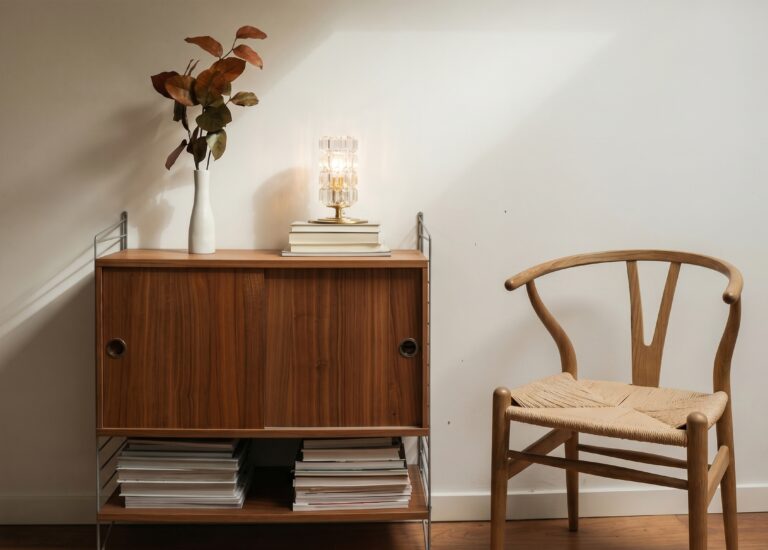
Vintage or retro? These two terms appear in every home decor magazine, adorn the windows of flea markets, and feature prominently on interior design websites.
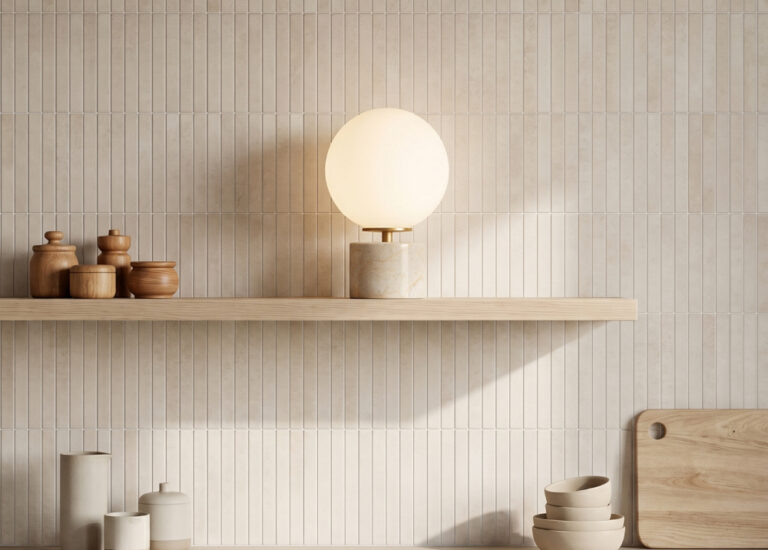
Kitchen lighting is never just a minor detail. As the heart of your home, your kitchen is where you prepare meals in the morning, enjoy