
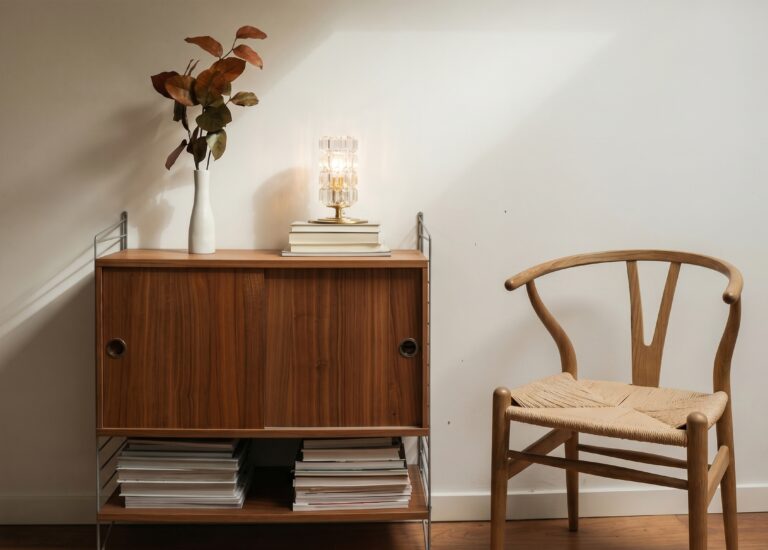
Vintage, vintage style and retro: what are the real differences ?
Vintage or retro? These two terms appear in every home decor magazine, adorn the windows of flea markets, and feature prominently on interior design websites.

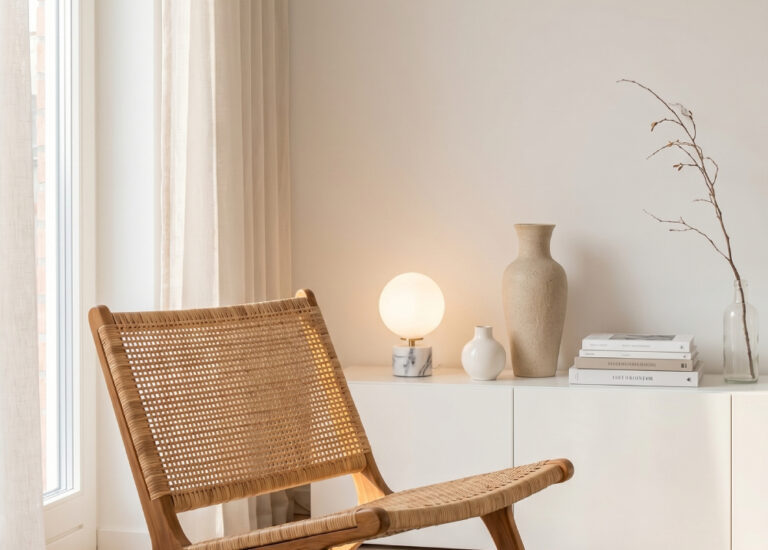
There are interiors where light does more than just illuminate—it soothes. With a wabi-sabi lamp, this soft light becomes the centerpiece of the decor. This is exactly what wabi-sabi seeks to achieve—a Japanese aesthetic that celebrates the beauty of imperfection, simplicity, and natural materials. And in this quest for serenity, the wabi-sabi lamp plays a central role. White opaline that diffuses soft light, frosted glass with irregular edges, a base made of rough-hewn marble: each light fixture becomes a source of atmosphere rather than just a utilitarian object. Choosing wabi-sabi lighting means preferring softness over brilliance, organic materials over smooth plastic, and diffused light over harsh light. In this guide, we’ll explore what wabi-sabi truly means when applied to lighting, which materials and shapes to prioritize, what types of light fixtures to choose, and how to incorporate this natural ambiance room by room, from the living room to the bedroom. Whether it’s a table lamp, a pendant light, or a wall sconce, it all comes down to soft light and natural materials.
Sommaire
ToggleWabi-sabi is a Japanese philosophy, a Japanese aesthetic that celebrates the beauty of imperfection and natural simplicity. Based on the idea that nothing is perfect or permanent, the wabi-sabi style views patina, asymmetry, or cracks not as flaws but as stories. When applied to interior design, this philosophy emphasizes natural materials, organic shapes, neutral tones, and minimalist design.
Light is at the heart of this approach. In a wabi-sabi interior, one avoids uniform, harsh lighting in favor of soft light that sculpts the space and allows shadows to exist. For wabi-sabi also embraces twilight: it is no coincidence that Japanese culture has long celebrated soft shadows—those that reveal the texture of a wall, the grain of wood, or the reflections in an antique glass object.
A wabi-sabi lamp is not meant to shine brightly. It casts a soft glow. It provides a gentle ambiance. Its minimalist design takes a back seat to the Zen atmosphere it creates. It is this restraint that distinguishes wabi-sabi from a purely decorative style: here, the light fixture serves the atmosphere, not the other way around.
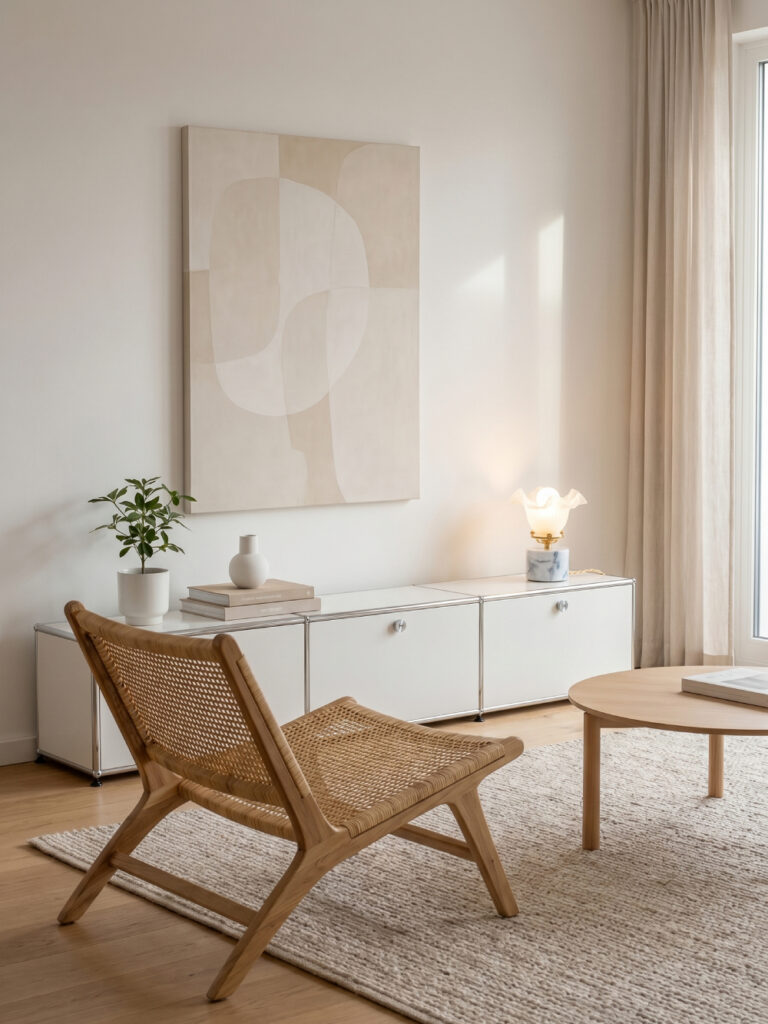
We often underestimate how much lighting influences our perception of a room. The same room can seem cold and impersonal under a white ceiling light that’s too bright, yet warm and inviting as soon as it’s bathed in soft, subdued light. Wabi-sabi is all about that second effect.
The first factor is color temperature. A cool, bluish light creates a clinical atmosphere, which is the opposite of the serenity we’re seeking. For a wabi-sabi interior, opt for warm light—around 2,200 to 2,700 kelvins—which evokes the glow of a candle and invites calm. It is this color temperature that lends evenings their softness and warm ambiance.
The second key element is light diffusion. A bare bulb casts harsh light and sharp shadows. In contrast, a linen shade, rice paper, or an opaline globe diffuses the light evenly: contrasts are softened, and the effect becomes enveloping. This diffusion is undoubtedly the defining technical feature of a good wabi-sabi light fixture. Translucent materials, such as opaline or frosted glass, naturally diffuse light and transform each lamp into a soft, luminous presence rather than a mere light source.
The third key element is the use of multiple light sources. Rather than a single central light source, wabi-sabi favors several low-intensity light sources distributed throughout the room: a table lamp on a console table, a wall sconce near an armchair, a low-hanging pendant light above a table. This layered lighting creates a soothing, lively atmosphere that is never monotonous.
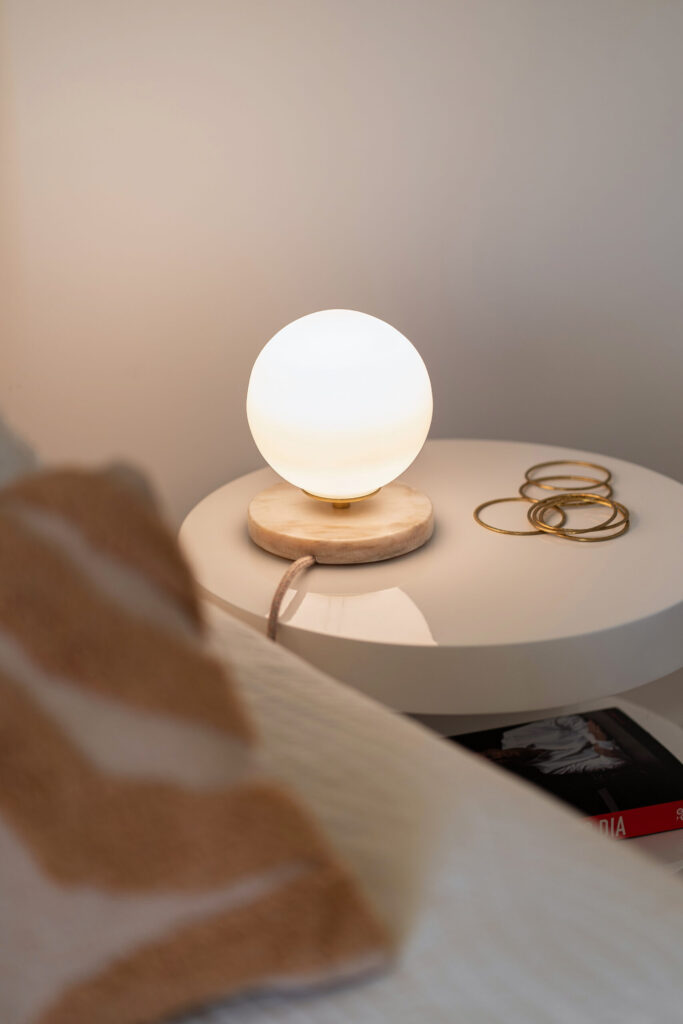
If lighting is the soul of wabi-sabi, materials are its body. A wabi-sabi light fixture is first and foremost recognized by its material: natural, raw, alive, marked by the passage of time or by the craftsman’s hand.
Opaline glass and frosted glass. Opaline—that milky white glass found in antique light fixtures—is probably the most wabi-sabi material there is. It diffuses a soft, even light without glare, with a warmth that plastic can never replicate. Frosted glass, with its matte and slightly grainy finish, produces the same softening effect. At Alfama Chic, designs like Hortense—a tulip-shaped lamp made of opaline glass—or Gisèle, crafted from engraved frosted glass, perfectly exemplify this subdued light.
Stone and marble. Nothing evokes raw nature better than a stone base. Marble, with its irregular veins, adds that extra touch of authenticity so cherished in wabi-sabi: each piece is unique, since no two veining patterns are alike. Our lamps with Estremoz marble bases—such as Clarisse, featuring a glass shade with a wavy texture set on beige-veined marble, or Pauline, which combines brass with a Lioz stone base—embody this union between the transparency of glass and the mineral density of stone.
Patina-finished brass. Brass that develops a patina over time, gradually losing its luster, is the exact opposite of shiny chrome. Far from being a flaw, this patina speaks to longevity and durability, and is fully in keeping with the spirit of wabi-sabi.
Natural fibers. Linen, paper, rattan, and wood round out this palette. A lampshade made of unbleached linen or paper diffuses a particularly soft light and adds an organic texture to the overall look. These natural materials, in shades of white, beige, and sand, are the style’s signature color palette.
When it comes to colors, we stick to a neutral, earthy palette: off-white, cream, beige, sand, soft gray, and hints of wood. We avoid bright colors and overly glossy finishes, which would disrupt the harmony. Wabi-sabi beauty is a subtle beauty.
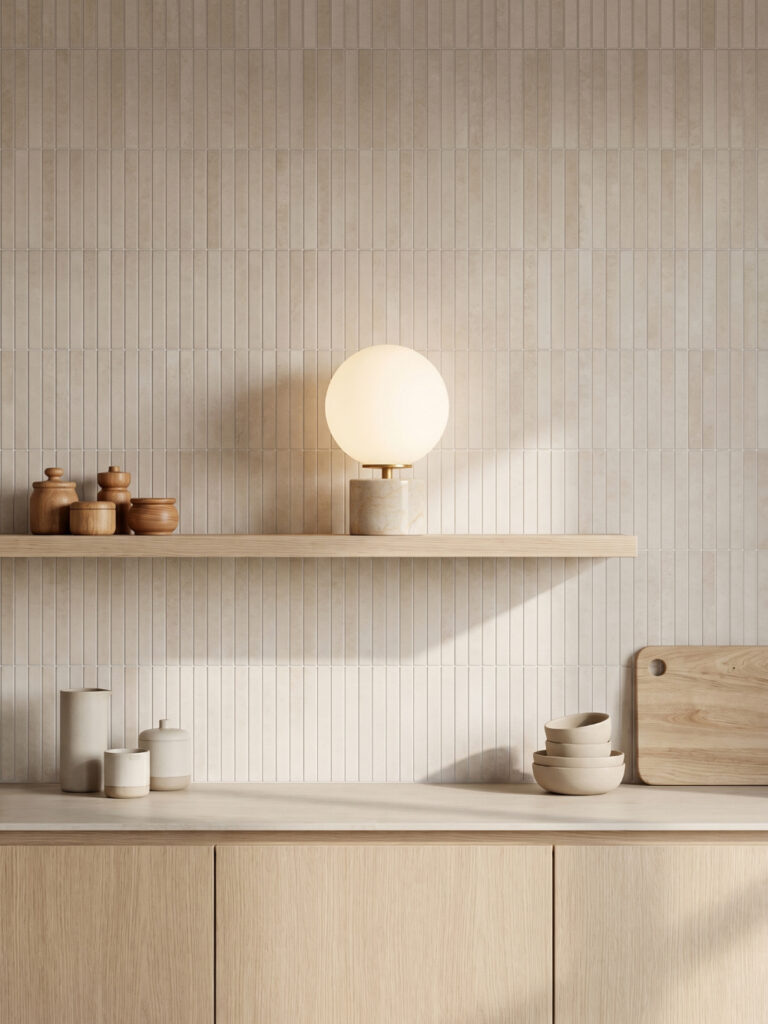
Wabi-sabi isn’t limited to a single type of lamp: it can be applied to all the lighting fixtures in a home, as long as they adhere to this concept of soft light and natural materials.
The table lamp. It’s the centerpiece of the wabi-sabi aesthetic. Placed on a nightstand, console table, or sideboard, it casts a warm glow at eye level. Opt for a model made of opaline or glass, with a marble or stone base, featuring a simple, organic shape: a globe, a tulip, or a rounded curve.
The pendant light. Whether hung above a dining table or in a reading nook, a pendant light made of opaline glass or paper casts a soft, enveloping glow. Hung low enough, it gently defines the space. A white opaline ball pendant light, such as the Louna model, brings that soothing roundness typical of the style.
The portable lamp. As the heir to the portable lamps of yesteryear, the portable lamp perfectly embodies the spirit of wabi-sabi: a simple glass or opaline globe, a fabric cord, and a light that you can move wherever you please. Placed on the floor, on a shelf, or hung from a hook, it creates a soft, free, and unconfined point of light. Our portable lamps, made of molded glass or opaline, carry on this artisanal tradition.
The wall sconce. Discreet, the sconce provides light without taking up space. Placed near a bed, an armchair, or along a hallway, it contributes to the layered lighting that creates the serene atmosphere of a wabi-sabi interior.
The chandelier and the floor lamp. Although they’re more prominent, they’re still welcome as long as they feature clean lines and natural materials. A floor lamp with a linen shade in a corner of the living room, an antique chandelier with patinated glass: the key is that they cast a soft light and complement the rest of the furniture.
In any case, the rule is the same: a simple shape, a natural material, and light that diffuses rather than being harsh. A beautiful wabi-sabi light fixture is an object that’s just as pleasing to look at when it’s off as when it’s on.
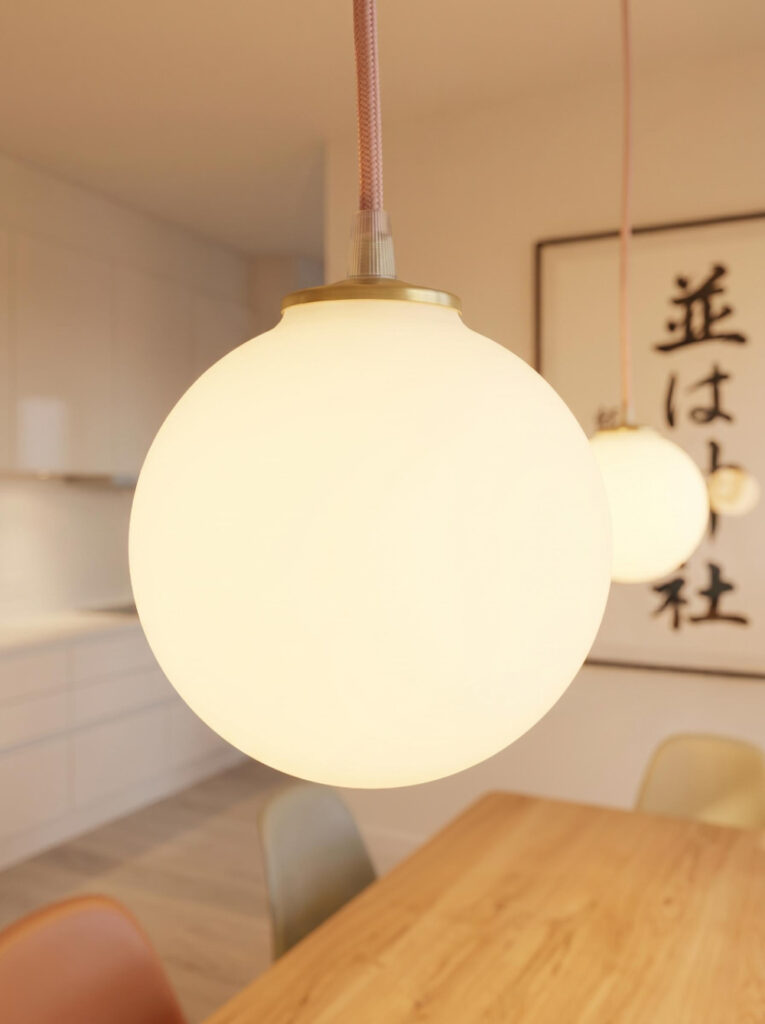
Before deciding on a model, keep a few simple guidelines in mind. First, the color temperature: aim for warm light to create a cozy, enveloping feel and a serene atmosphere. Next, consider the light diffusion: opal glass, frosted glass, or a linen shade ensure soft, glare-free lighting. As for materials, opt for antique glass, marble, stone, or brass over any plastic finish. Shape: simple, rounded, organic, without excessive ornamentation. The design should remain understated, serving the light rather than seeking to make a statement. Also check the height and base of the model based on its intended location, as well as the type of lampshade. Finally, trust the actual effect once the lamp is turned on: it is the softness of the light, more than the object itself, that will bring wabi-sabi into your home. In a palette of white, beige, and sand, each vintage model then tells its own story.
Creating wabi-sabi lighting means thinking of each room as a series of moods rather than as a space to be lit uniformly. You must envision and create a specific atmosphere for each desired setting. Minimalist style, harmony, and balance—that is the inspiration behind wabi-sabi.
In the living room, don’t rely solely on the central ceiling light. Use multiple light sources: an opaline table lamp on a low piece of furniture, a floor lamp in a corner, perhaps a wall sconce near the sofa. Play with the brightness levels to create soft, cozy areas. When evening comes, the whole setup should be able to shift into a cozy, warm atmosphere.
In the bedroom, lighting should help you drift off to sleep. An opaline glass bedside lamp, with its warm, soft glow, is often enough to create a sense of calm. Avoid any cold or overly direct light sources. A low-hanging wall sconce on each side of the bed is the perfect complement to this setup and keeps the nightstands clear.
In the kitchen or office, where lighting is often functional and cold, a glass table lamp or an opaline pendant light brings back a sense of warmth and softens the harshness of purely utilitarian lighting.
In the entryway or hallway, a simple pendant light or wall sconce made of natural materials immediately sets the tone: from the moment you step inside, the interior exudes serenity.
Here are a few useful technical tips: aim for warm lighting between 2,200 and 2,700 kelvins; if possible, install dimmers to adjust the brightness depending on the time of day; and always prioritize soft, diffused light over raw brightness. It’s better to have three small, soft light sources than a single powerful one. It’s this attention to nuance that sets a truly soothing interior apart.
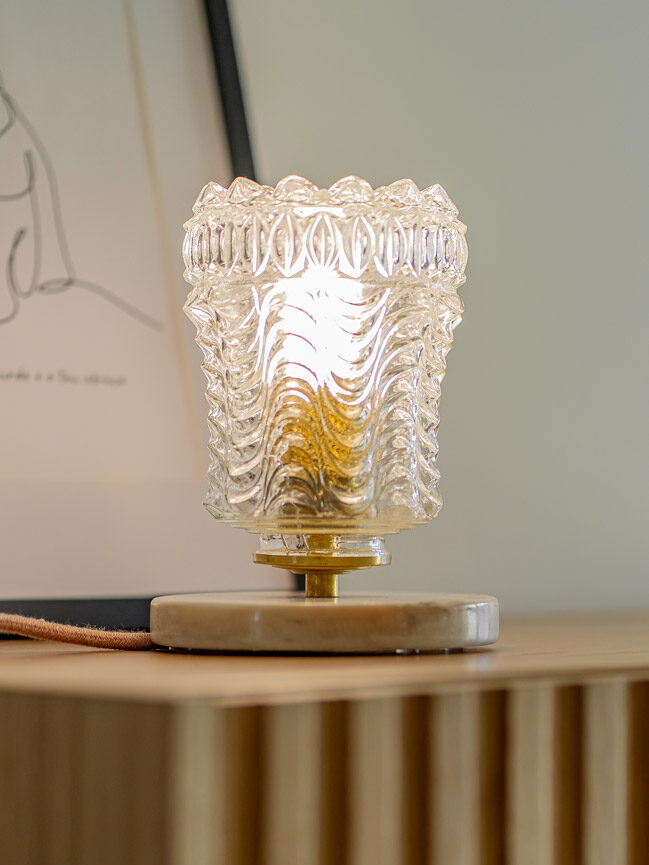
Wabi-sabi doesn’t stand alone: it belongs to a family of design trends that all seek to slow down and reconnect with the essentials. Japandi—a fusion of Japanese minimalism and Scandinavian comfort—shares wabi-sabi’s appreciation for natural materials and clean lines; it simply adds a touch of Nordic warmth and functionality. Slow decor, for its part, extends this philosophy through a focus on sustainability and objects chosen to last.
If these styles resonate with you, you’ll find the same pursuit of serenity in our guide to the Japandi style and our article on “slow decor.” The wabi-sabi lamp blends naturally with both of these approaches: the same opaline and marble lamp will fit just as well in a wabi-sabi interior as it will in the heart of a Japandi decor scheme.
Behind every wabi-sabi light fixture lies a wealth of expertise and time-honored artisanal techniques. Glass blown or molded using traditional methods, the patina of brass, and hand assembly: these techniques give the material its texture and lend the light its soft, gentle glow. Light diffusion depends directly on these technical choices: the thickness of the glass, its opacity, the shape of the globe, and its unique aesthetic. Thick opal glass diffuses a softer, more even light; thin, clear glass diffuses less and is more dazzling. This is why the light output of an antique light fixture—the result of time-tested techniques—often surpasses that of a contemporary industrial model. Understanding these diffusion techniques helps you find the inspiration and materials that truly suit your interior. These diffusion techniques explain why two light fixtures that look similar do not cast the same light: the material, its thickness, and its texture completely change the lighting effect. Diffusion remains the key: a good diffusion technique yields an ideal, soft, and contemporary result, whereas poorly designed lighting strains the eyes.
This technical mastery is evident in every design, from table lamps to pendant lights. A well-proportioned pendant globe, an antique chandelier with weathered glass: it’s all about light diffusion and balance. When thoughtfully designed, lighting can create a serene atmosphere in any room, without resorting to harsh lighting or unnecessary materials. That is the true power of wabi-sabi: creating a strong luminous presence with very little.
A few tips and ideas to wrap things up. Wabi-sabi is ideal for anyone looking to create a serene interior: it works just as well in a contemporary apartment as it does in an older home. In a reading nook, a lamp with soft light quickly becomes indispensable, and you don’t need to clutter the space with multiple light fixtures to achieve a beautiful result. Choose your light fixtures carefully, opt for natural materials, and select lighting that illuminates without glare—that’s the key. The result—both contemporary and timeless—lastingly transforms the atmosphere of a room.
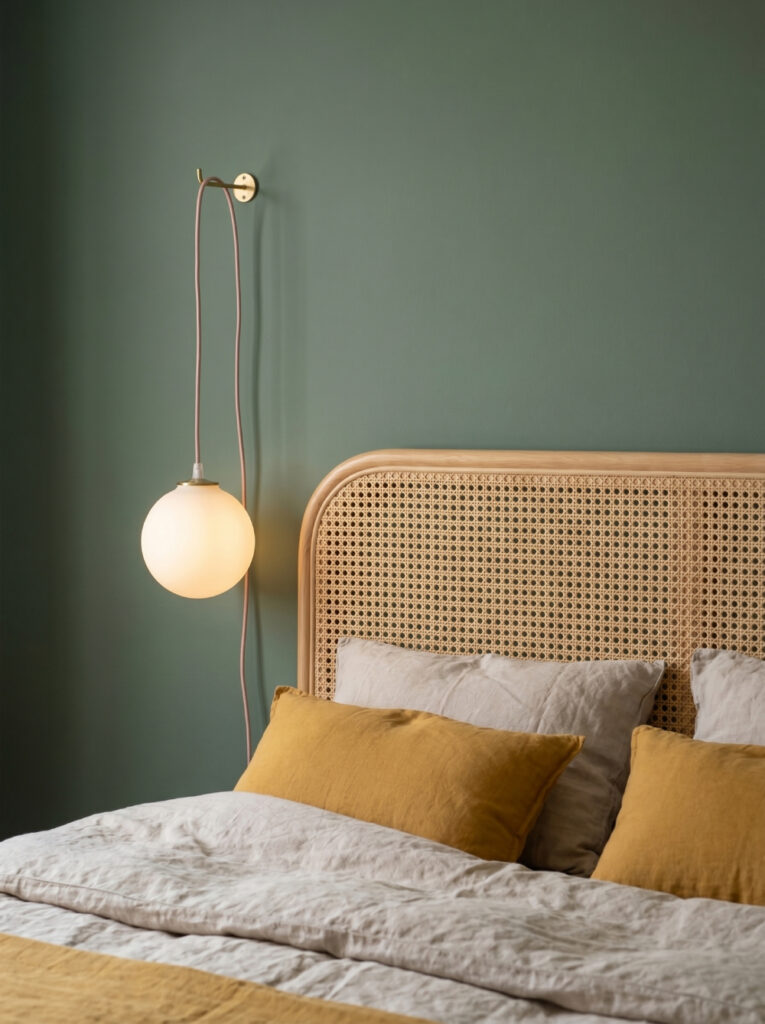
Choosing a wabi-sabi lamp isn’t just about following yet another trend—it’s about changing your relationship with light. It means choosing softness over glare, organic materials over industrial shine, and embraced imperfection over polished perfection. An opaline shade that diffuses light, marble that bears the marks of time, brass that develops a patina: each light fixture becomes a small lesson in serenity.
At Alfama Chic, each lamp is hand-assembled in Portugal using vintage glassware and natural materials: marble, stone, brass, and opaline. Each piece is one-of-a-kind, designed to cast a soft glow and create that soothing atmosphere in your home that embodies the very spirit of wabi-sabi.
Discover our collection of timeless lamps
Vintage or retro? These two terms appear in every home decor magazine, adorn the windows of flea markets, and feature prominently on interior design websites.
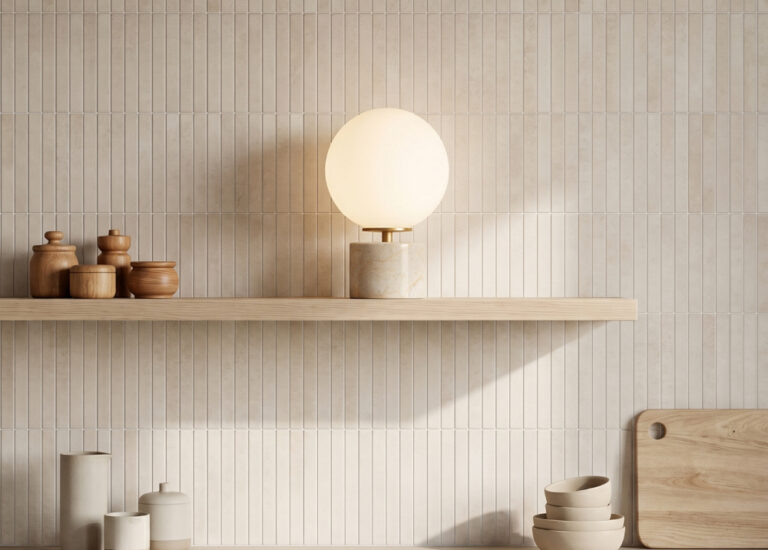
Kitchen lighting is never just a minor detail. As the heart of your home, your kitchen is where you prepare meals in the morning, enjoy
Slow decorating has emerged as an elegant response to an era saturated with objects and fleeting trends. Far from standardized, disposable interiors, it invites us