
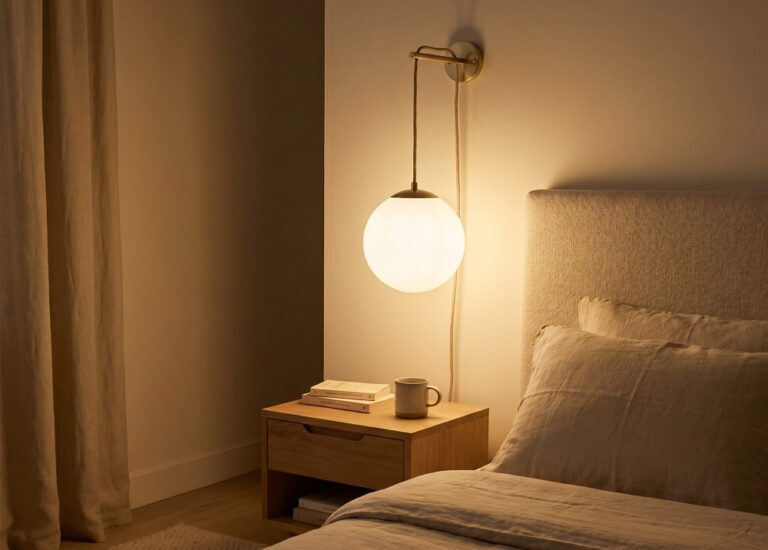
Wabi-Sabi Lamp : Creating Soft Lighting for a Serene Interior
There are interiors where light does more than just illuminate—it soothes. With a wabi-sabi lamp, this soft light becomes the centerpiece of the decor. This
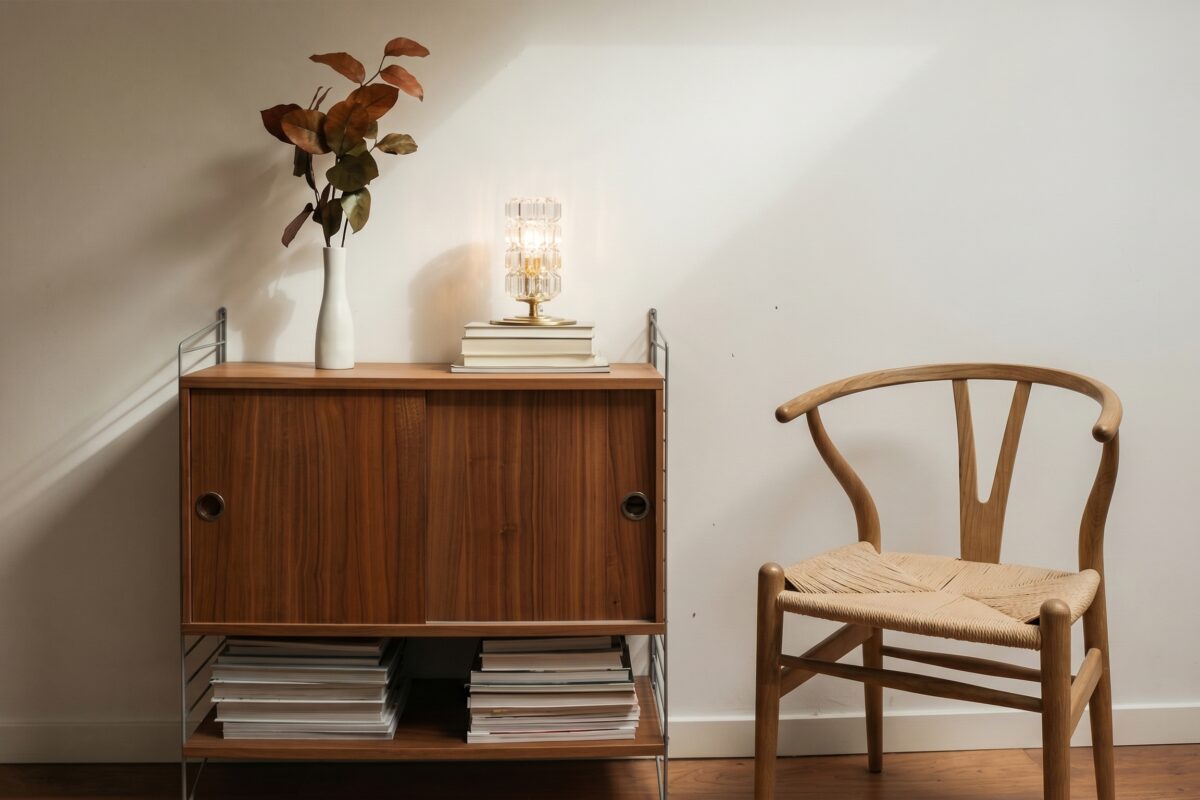
Vintage or retro? These two terms appear in every home decor magazine, adorn the windows of flea markets, and feature prominently on interior design websites. Yet they don’t refer to the same thing. Confusing the two is like mixing an authentic vintage piece with a beautiful contemporary reissue: both have value, but their history, craftsmanship, and meaning differ profoundly.
In a world where people often decorate without really thinking about the meaning behind it, knowing what you’re choosing—a genuine antique or a piece of retro-inspired furniture—makes all the difference in how you live and tell the story of your home. Whether you’re a flea market enthusiast, a design lover, or simply curious to understand what lies behind these two ubiquitous terms, this article is for you.
We’ll help you separate fact from fiction, explore the aesthetic codes of each style, guide you in choosing materials, furniture, and accessories—and help you create a space that truly reflects who you are.
Sommaire
ToggleWhen discussing decor inspired by the past, three terms are often used interchangeably without being clearly distinguished: vintage, vintage style, and retro. However, they are not synonyms, and confusing them means missing out on what makes each of these styles so unique.
The word “vintage” is borrowed from English, which in turn derives from the Old French word “vendange.” When applied to interior design, it refers to genuinely antique objects, furniture, and textiles made between approximately 1920 and the 1970s. A vintage object is an authentic piece from a bygone era: it has lived, weathered the passage of time, and bears the mark of the artisans who crafted it. Its patina and slight imperfections are an integral part of its charm. It can be found at secondhand shops, flea markets, or antique dealers throughout France.
The vintage style is a decorating approach that draws inspiration from the vintage aesthetic without requiring authentic pieces. You can certainly decorate “in a vintage style” using new furniture chosen for its warm, weathered look, textiles with retro patterns, and accessories that evoke a bygone way of life. It’s a matter of sensibility rather than a requirement for authenticity: the goal is to create a soft, nostalgic atmosphere without necessarily hunting down every piece at a flea market. This is the choice of many artisanal home decor brands—including Alfama Chic—which create lighting fixtures with a vintage feel without slavishly copying antique pieces.
The word “retro” comes from the Latin “retro” (“backward”). In interior design, it refers to a contemporary design that reinterprets the aesthetic codes of a specific decade: the compass legs of the 1950s, the pop colors of the 1960s, and the macramé of the 1970s. Retro is more defined and recognizable than vintage style—it evokes an era that is instantly recognizable. A retro light fixture is not an antique lamp found at a flea market: it is a new creation that incorporates the motifs and forms characteristic of a past style, with the artist’s freedom to draw inspiration without copying.
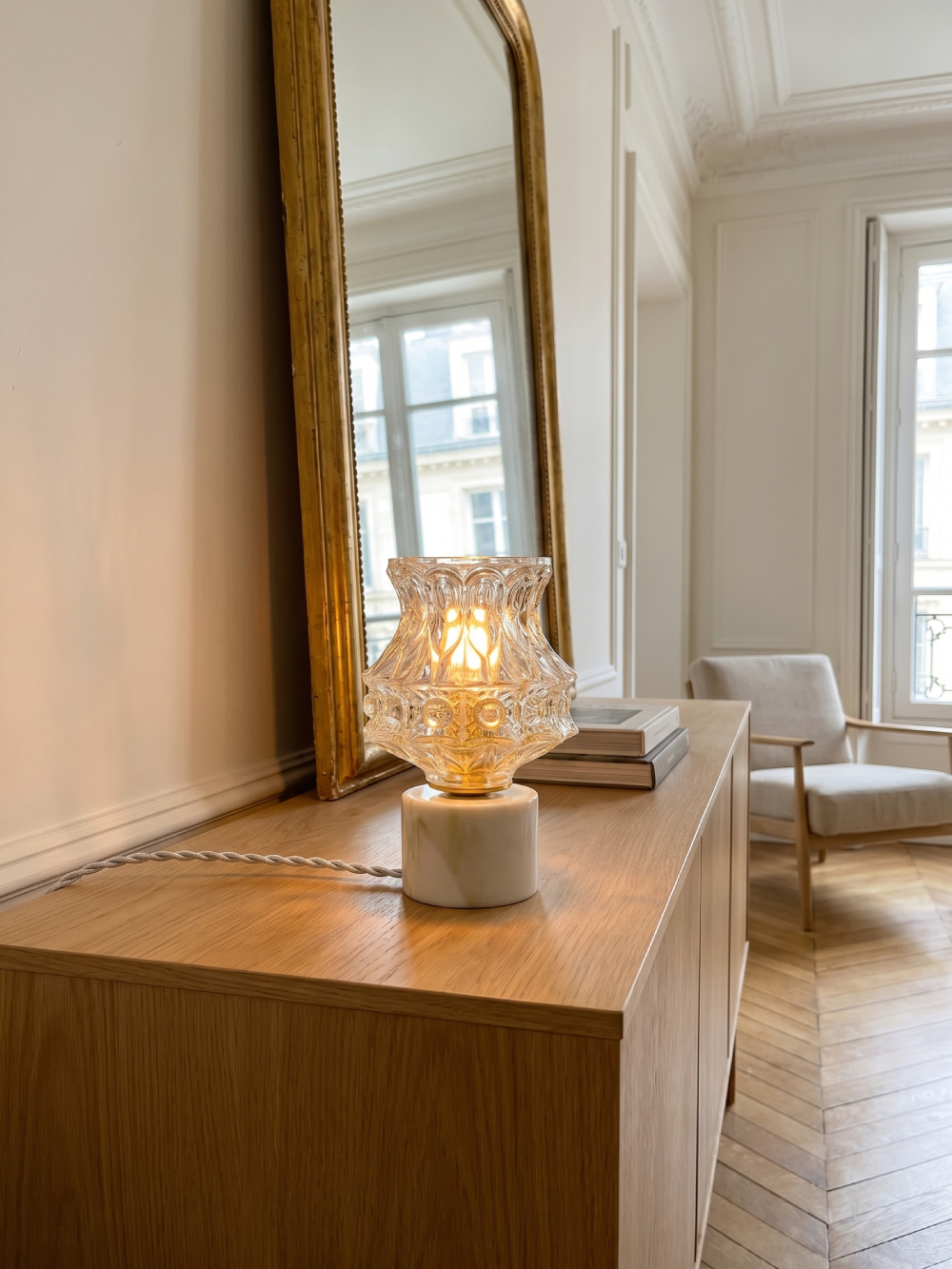
For an item to be considered vintage, it must generally be between 20 and 100 years old. Anything younger than that is simply referred to as secondhand or used. Anything older than 100 years falls into the category of antiques in the strict sense. A beautiful lamp from the 1950s, a solid wood piece of furniture from the 1960s, an advertising poster from the 1930s, or an Art Deco mirror from the 1940s: these are precisely what we refer to as vintage.
A retro item, on the other hand, can be brand new. What defines it isn’t its age, but its aesthetic. A coffee table made this year with gold-plated metal compass legs and a light wood top, in the spirit of 1950s design, is a retro piece—not vintage, even though it adopts all the visual cues of that era.
It is generally agreed that the term “vintage” refers to the period spanning the 1920s through the 1970s, whereas “retro” is not bound by any specific time frame: it moves freely from one decade to another, depending on the designer’s inspiration.
Vintage pieces are often crafted from high-quality materials that are rarely found in today’s mass-produced goods: air-dried solid wood, hand-hammered metal, flame-blown glass, cast brass, veined marble, and fine porcelain. In an era when objects were designed to last for generations, high-quality materials were the norm, not the exception.
Hunting for an antique piece of furniture or finding an old brass wall sconce often means stumbling upon a treasure of far superior craftsmanship than what you’d find in contemporary furniture stores. This paradox—that old is often better than new—partly explains the growing craze for vintage decor.
As for the retro style, it can replicate these materials with varying degrees of accuracy depending on the manufacturer and budget. Some high-quality reproductions use real solid wood, real metal, and real glass. Others rely on less premium contemporary materials that mimic the appearance without offering the same durability. Caution is advised when making a purchase.
Embracing vintage decor is both a tribute to our heritage and an eco-friendly choice: we preserve a piece from the past, give it a new lease on life in a contemporary home, and forge a tangible connection with the history of design and the art of living. Every vintage find has an invisible history that enriches the space it occupies.
Adopting a retro style is a more flexible and accessible approach. It involves reimagining the aesthetics of a bygone era to create a decor that pays homage to it, without the hassle of hunting for vintage pieces or the sometimes hefty price tag of beautiful finds at flea markets.
Both approaches are valid and often complement each other. Many successful interiors combine a few genuinely vintage pieces—such as an antique wall sconce or a period wooden cabinet—with high-quality retro elements that harmonize with them.
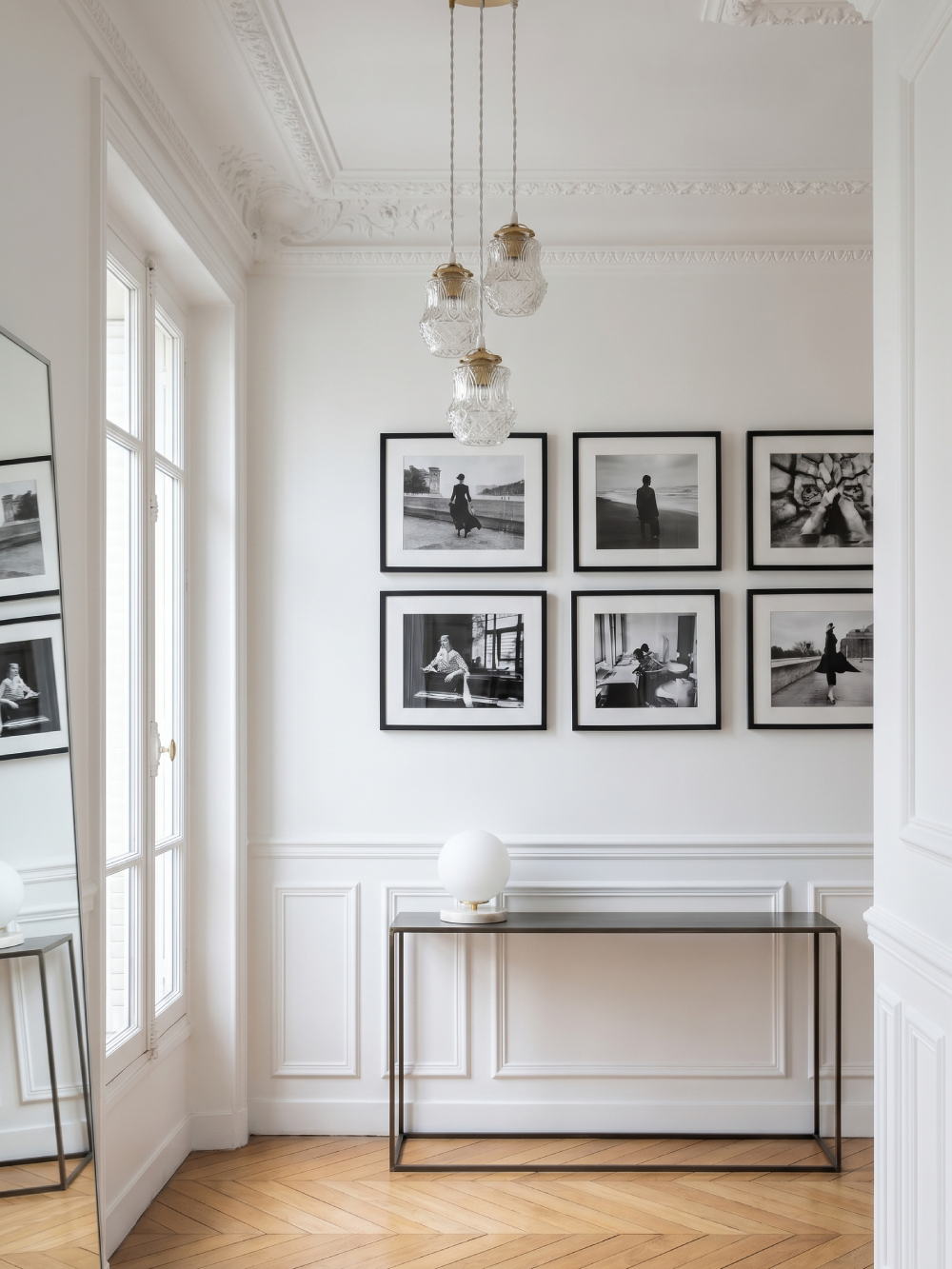
To create an authentic vintage atmosphere in your home, it all starts with carefully selecting your pieces. A few well-chosen items are infinitely better than a space cluttered with knick-knacks. Here’s how to choose the key categories that form the heart of beautiful vintage decor. Above all, your selection should reflect your personal aesthetic sensibility, regardless of the era that inspires you.
Antique light fixtures are often the centerpiece of a successful vintage interior. An antique enameled metal floor lamp, a brass chandelier from the 1960s, a blown-glass pendant light: lighting shapes the atmosphere and visual hierarchy of an entire living room. It catches the eye, tells a story, and instantly warms a contemporary interior with its soft, inimitable light.
Antique wooden furniture is the backbone of vintage decor. A 1950s solid oak sideboard, a painted 1930s dresser, a turned pedestal table, a rustic farmhouse table: solid wood ages with a dignity that few modern materials can match. Its natural warmth, variations in grain, and ability to develop an irreplaceable patina make it an indispensable companion for a decor inspired by the past.
Antique mirrors add depth and light to any space. A beveled mirror in a gold-leaf frame, a weathered carved wooden frame, an Art Deco mirror with a metal border: every decade has produced its own unique designs, and flea markets still reveal the most beautiful examples.
Vintage everyday finds gracefully round out the collection: a blown-glass demijohn, an enameled metal tray, an antique porcelain teapot, a lithographed tin box, and a corduroy armchair. These understated pieces are often the most budget-friendly options.
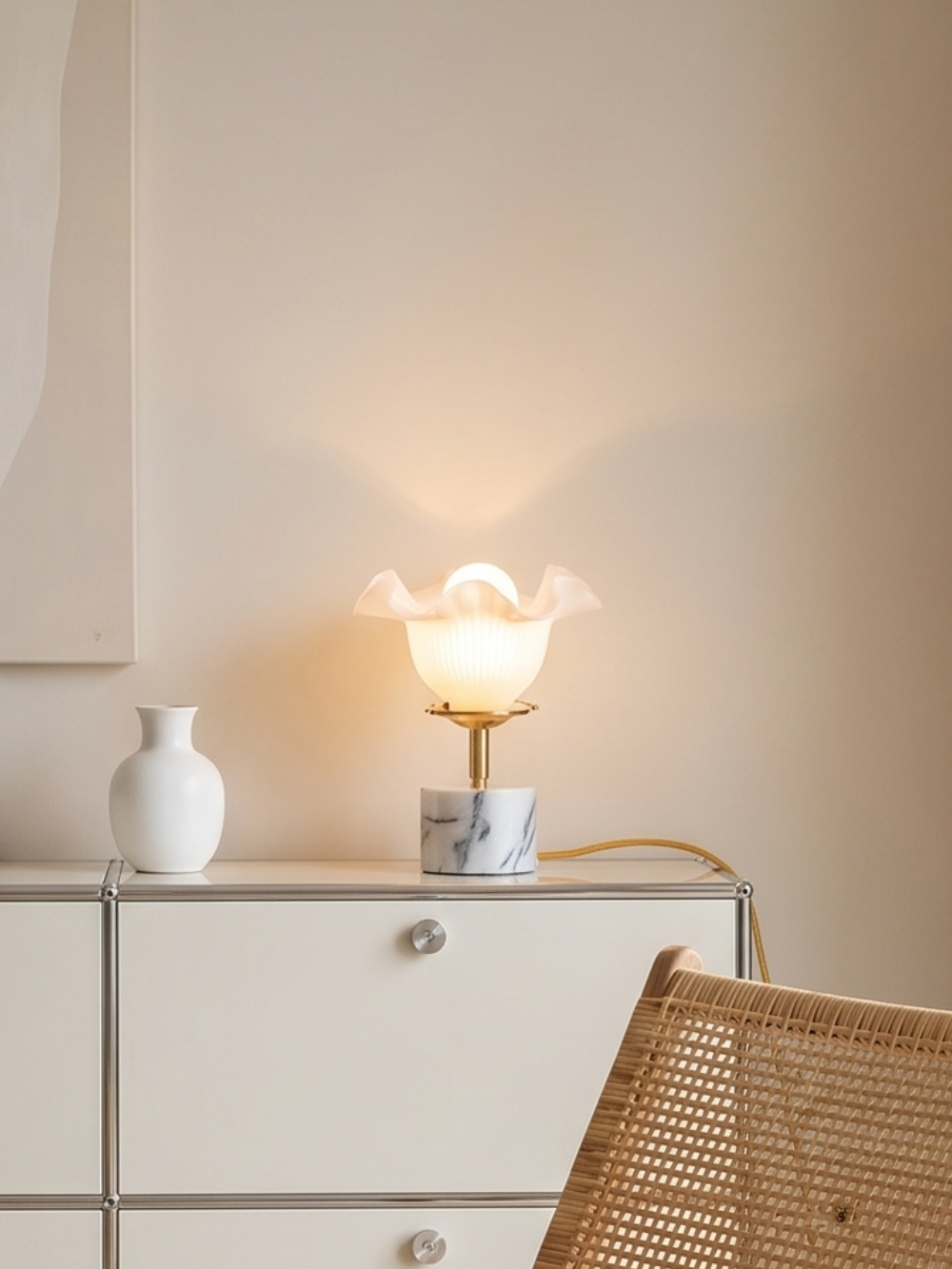
The vintage aesthetic works well in any room. Whether in the kitchen, living room, or bedroom, an antique enamel sign hung on the wall, an industrial-style metal shelf, or a weathered wooden bistro chair can create a warm, inviting atmosphere. In the living room, a corduroy armchair with tapered legs, paired with solid wood furniture, creates a chic vintage vibe that reproductions struggle to capture.
The art of vintage lies in the details: early artisanal workshops crafted each piece with a meticulousness that mass production has long since abandoned. A hand-engraved brass furniture plate, traditional turned wood finishes, and patinated metal hardware—these details are the hallmark of authentic vintage furniture. Each carefully chosen piece contributes to the identity of your home in a way that no mass-produced item can truly replicate.
Vintage furniture also has an often-overlooked advantage: its durability. Unlike early, cheaply made pieces that fall apart after just a few seasons, a solid-wood antique piece or a well-crafted armchair can remain a part of your home for decades. This longevity makes it one of the most responsible choices you can make when it comes to interior design.
France is one of the world’s leading destinations for flea markets and secondhand markets. From the Saint-Ouen Market in Paris to the Braderie de Lille and the Puces de Lyon Croix-Rousse, the country’s network of secondhand markets is extensive and often full of surprises.
Online platforms (Le Bon Coin, Selency, Etsy France) have expanded access to vintage items by allowing people to browse inventory from all over France from the comfort of their own homes. Finally, specialized antique dealers offer a curated selection for those seeking high-end finds, backed by expertise in authenticity.
The classic mistake is trying to mix everything together without a unifying theme. To avoid a cluttered look, choose a specific era—the 1930s, the 1950s, the 1960s—or a cohesive palette of materials, and stick to it throughout your home.
An interior that combines natural wood, weathered metal, ochre and terra cotta tones, geometric patterns, and fringed textiles from the 1960s and 70s will be far more elegant than a hodgepodge of mismatched finds from five different decades. A sense of period or style creates cohesion; it is what transforms a collection of pieces into a true interior design.
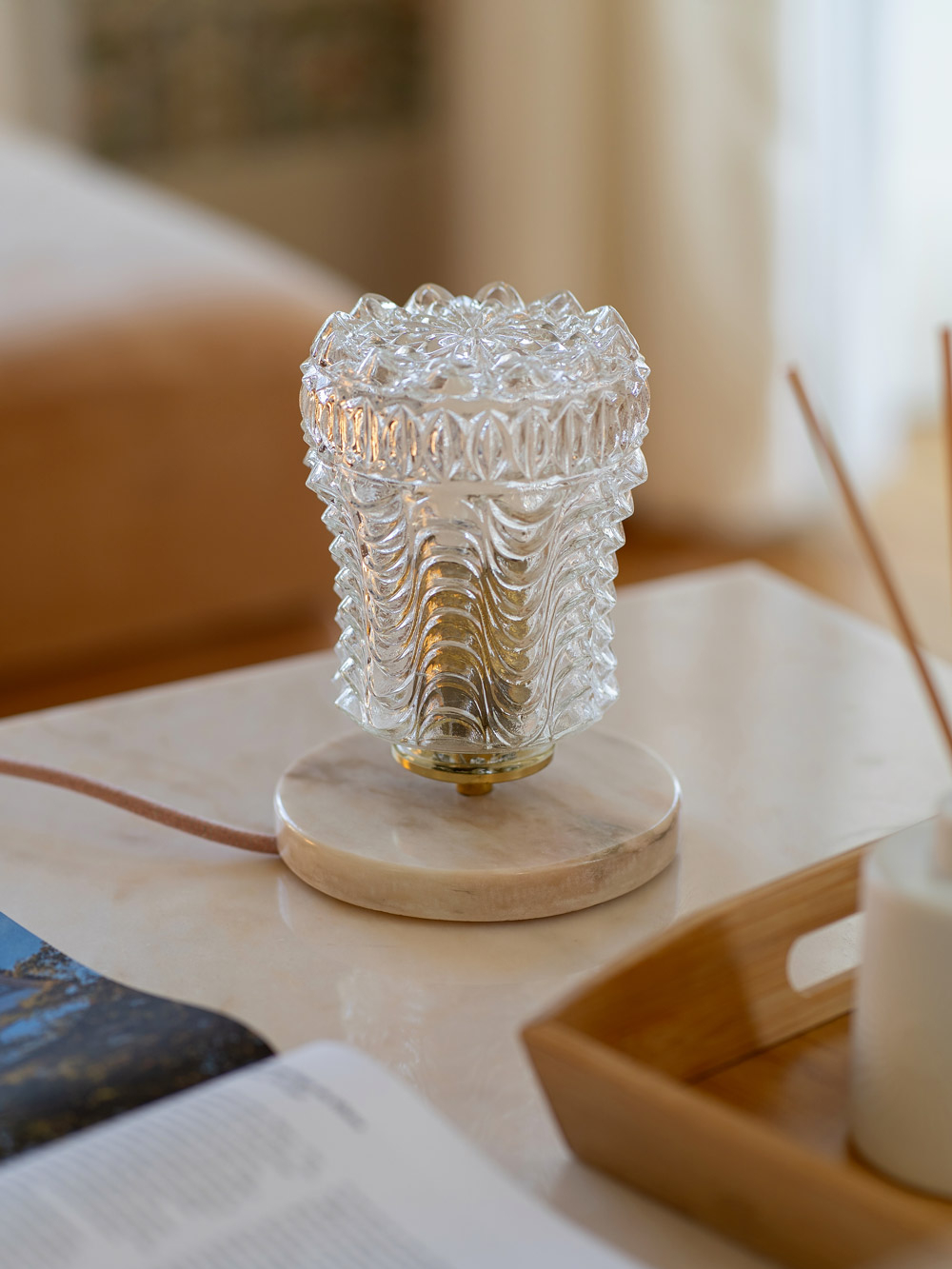
To find ideas and draw inspiration from the major trends of the past, it helps to understand the defining characteristics of each decade. The turn of the century laid the foundation for an aesthetic that retro style continues to reinterpret. Retro style is rich and multifaceted: it can draw inspiration from the 1920s (Art Deco, strict geometry, gold and black), the 1950s (organic shapes, pastel colors, chrome), the 1960s (Pop Art, bright colors, spherical shapes), or the 1970s (macramé, velvet, earthy tones). Each decade has its own distinct codes, signature materials, and signature patterns.
To embrace retro style with flair and avoid looking like a caricature, choose a specific era for inspiration and focus on its most distinctive elements:
Retro works particularly well when paired with a sleek, contemporary interior. A modern kitchen can be brought to life with a retro pendant light made of enameled metal. A minimalist living room gains warmth with a velvet armchair on tapered legs. A contemporary bathroom gains character with a mirror featuring a metal frame and a patinated brass wall sconce.
Mixing styles—retro and contemporary, old and new—creates the most vibrant and personal interiors, as long as you avoid overdoing it. One or two well-placed retro pieces in a modern interior are often enough to create the creative tension and sense of historical depth that make a home memorable.
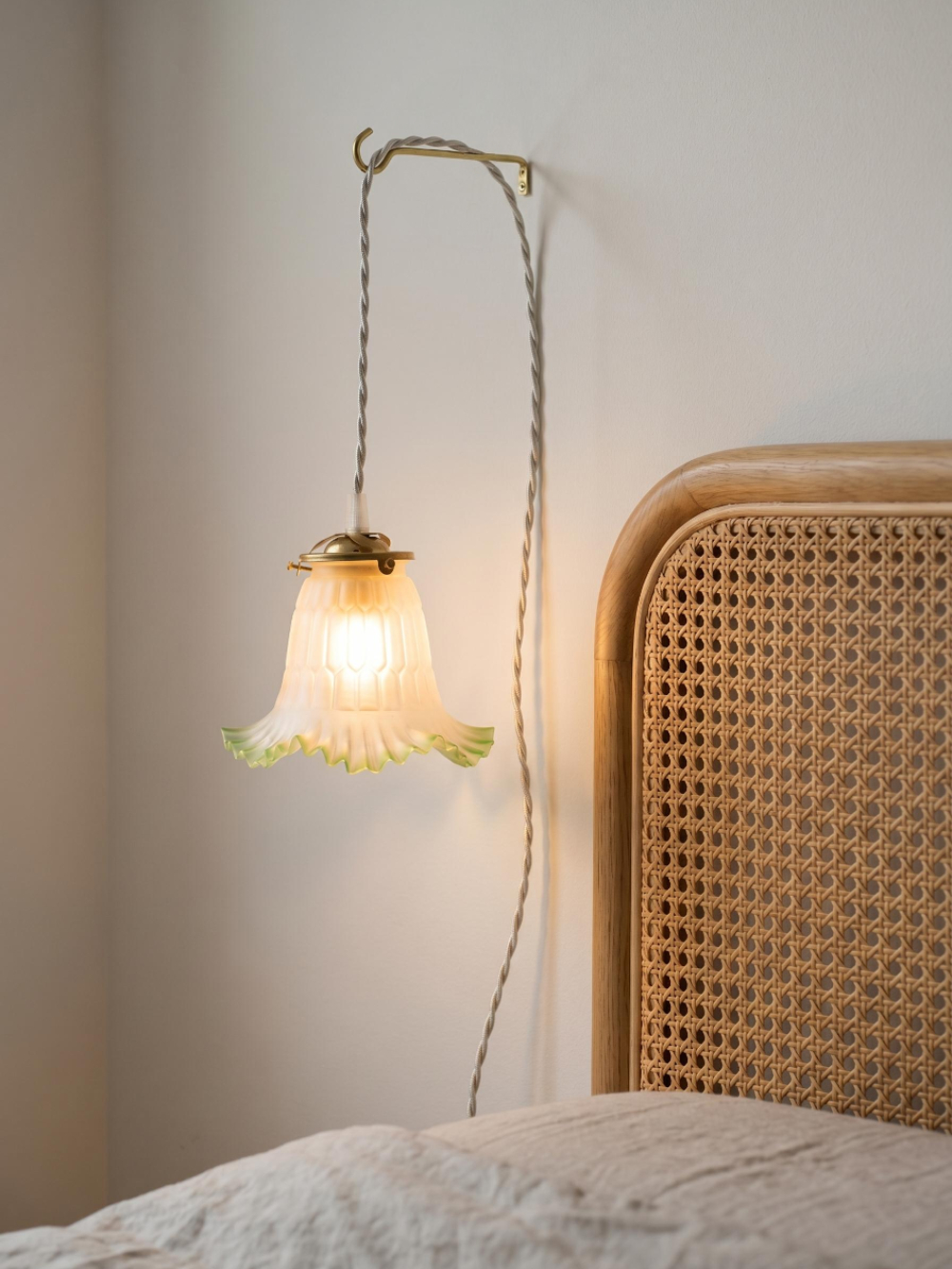
Wood is undoubtedly the most iconic material in vintage decor. It’s everywhere: old oak or pine floors, solid wood sideboards and dressers, old-fashioned painted wood paneling, gold-leaf frames, fine-grained walnut furniture, and rustic farmhouse tables.
The natural warmth of wood, the variations in its grain depending on the species, and its ability to age beautifully and develop a unique patina make it an essential element in decor inspired by the past. Opt for solid wood or high-quality veneer over particleboard or plastic-coated imitations.
The most popular woods in this context are oak (noble, sturdy, with a regular grain), walnut (dark, elegant, typical of the 1950s and 60s), pine (warm, affordable, often weathered), elm, or teak, which can be found in certain colonial-style furniture from the 1940s and 1950s. The beauty of solid wood lies in the fact that every tabletop and every door is strictly unique—no grain pattern is ever exactly the same.
Metal is the second most prominent material in the vintage and retro world. Different metals have dominated over the decades: golden brass in the bourgeois interiors of the 1920s–1940s, chrome and brushed aluminum in the progressive design of the 1950s and 1960s, enameled cast iron in rustic and characterful kitchens, and lacquered metal in the pop furniture of the 1970s.
Today, raw or lightly patinated brass is making a spectacular comeback in interior design. It can be found on pendant lights and wall sconces, faucets, furniture handles, and picture frames. Its warm hue, which ranges from gold to bronze, brings a discreet and timeless elegance that few other materials can match.
For an authentic vintage look, an antique raw brass wall sconce, a piece of weathered copper, or a vintage metal chair will add a touch of character that their gold-plated plastic counterparts simply cannot replicate.
Vintage decor favors anything that has been handcrafted or made with true craftsmanship. Hand-blown glass, fine porcelain, glazed earthenware, wheel-thrown ceramics, and enamel on metal: these materials were common in homes during the last century and are now treasures preserved by flea markets.
An amber-colored blown-glass demijohn, an iridescent glazed ceramic vase, a cut-glass decanter, a stoneware bowl with a naive design: these are the pieces that best capture the lifestyle of an era and the beauty of its materials. These finds are often the most affordable and easiest to incorporate into an existing decor.
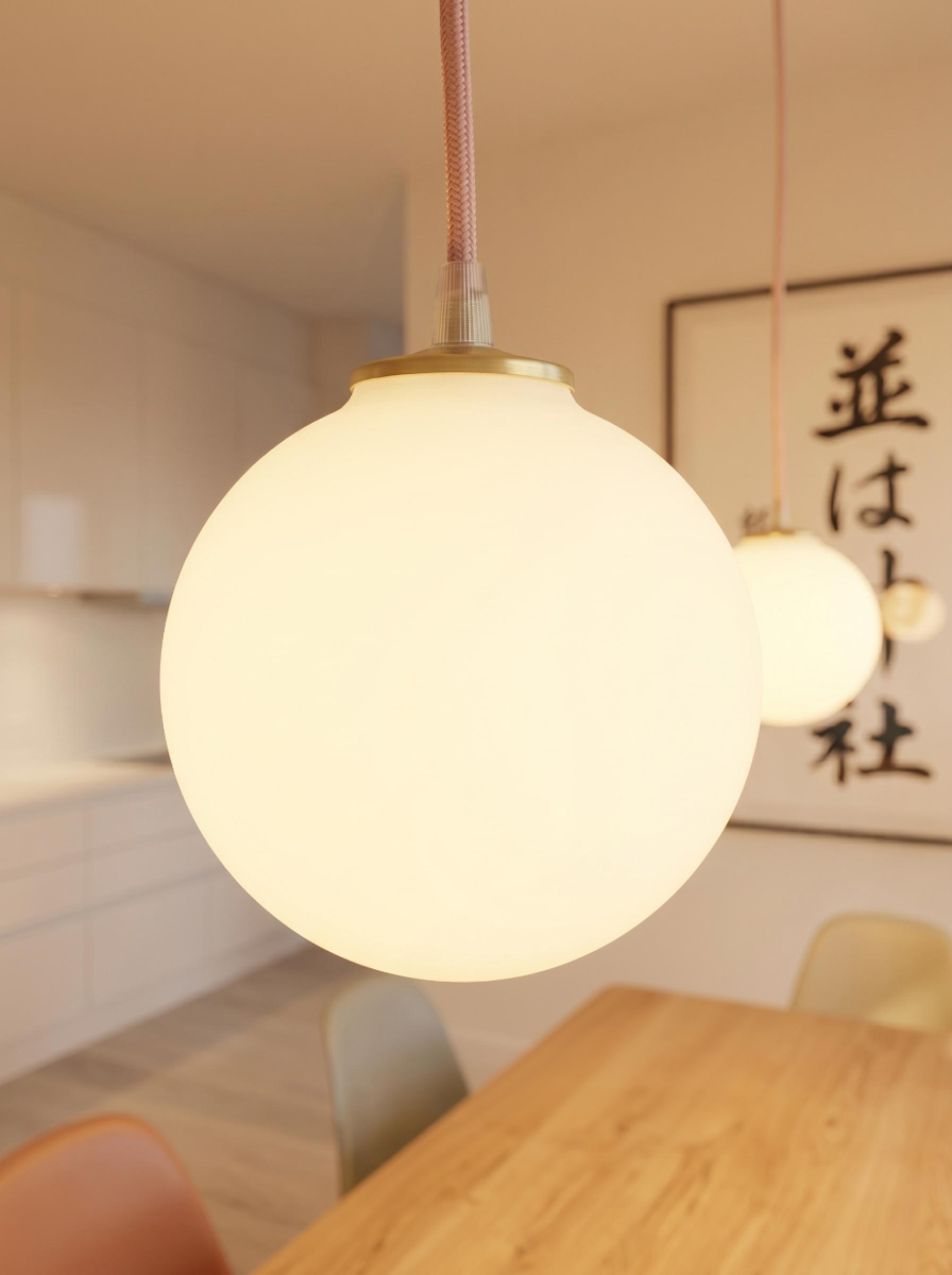
We live in a world where mass production tends to make interiors uniform. From identical flat-pack furniture to the same accessories bought at the same chain stores, originality has become a rare and desirable quality. Vintage decor stands out as a radical alternative to this homogenization: every piece of vintage furniture is unique, inimitable, and carries a story that no one else shares exactly.
No two flea markets will ever have the same finds, no two pieces of antique wooden furniture will ever be exactly alike, and no two vintage items will ever be identical in every way. This irreplaceable uniqueness is perhaps the deepest reason behind the current craze for vintage. And that is precisely why it appeals to so many different people: each unique, authentic, and one-of-a-kind piece makes your decor a trend in its own right—one that can’t be found in seasonal catalogs.
Hunting for a piece of furniture or a vintage find is also—and increasingly so—a way to help the environment. Giving existing items a second life, avoiding the production of new pieces, and reducing transportation and packaging: vintage decor naturally fits into a sustainability mindset that our societies are urgently rediscovering.
In France, as in the rest of Europe, the popularity of flea markets, thrift stores, online resale platforms, and chic vintage shops reflects a profound cultural shift in our relationship with material goods and consumption.
Beyond aesthetics and ecology, incorporating vintage or retro elements into your decor is a way of expressing a certain worldview and perspective on time. It means valuing the handmade over mass-produced goods, longevity over the ephemeral, and tradition over the disposable. It means championing art and artisanal craftsmanship over an industry devoid of memory. In short, it is a decorative philosophy that goes far beyond mere aesthetics.
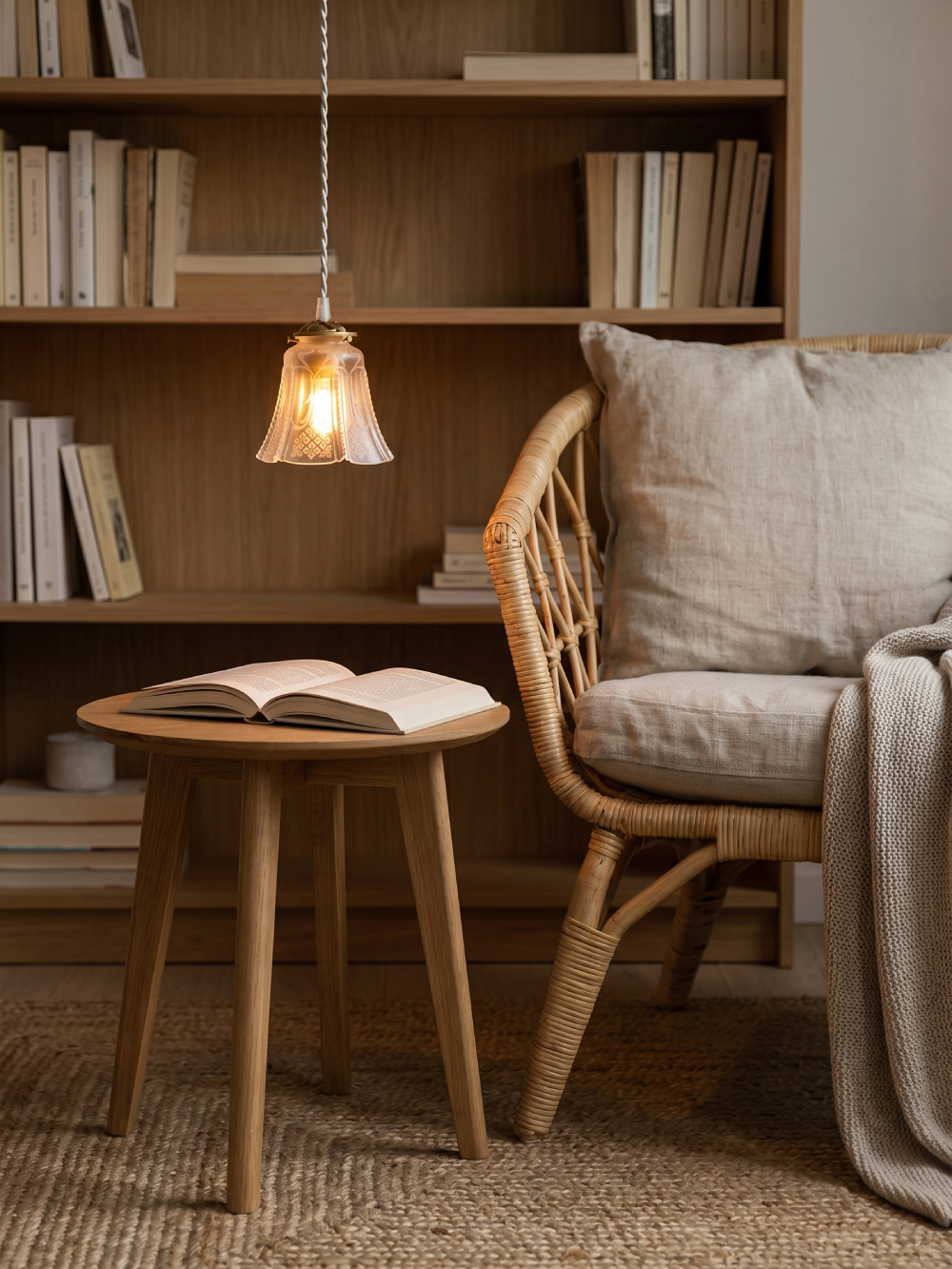
At Alfama Chic, this passion for pieces that stand the test of time has been at the heart of our approach since our founding in Lisbon. Our workshop was born out of a simple yet steadfast belief: the most beautiful lighting fixtures aren’t mass-produced; they are discovered, restored, and reinterpreted with respect and expertise.
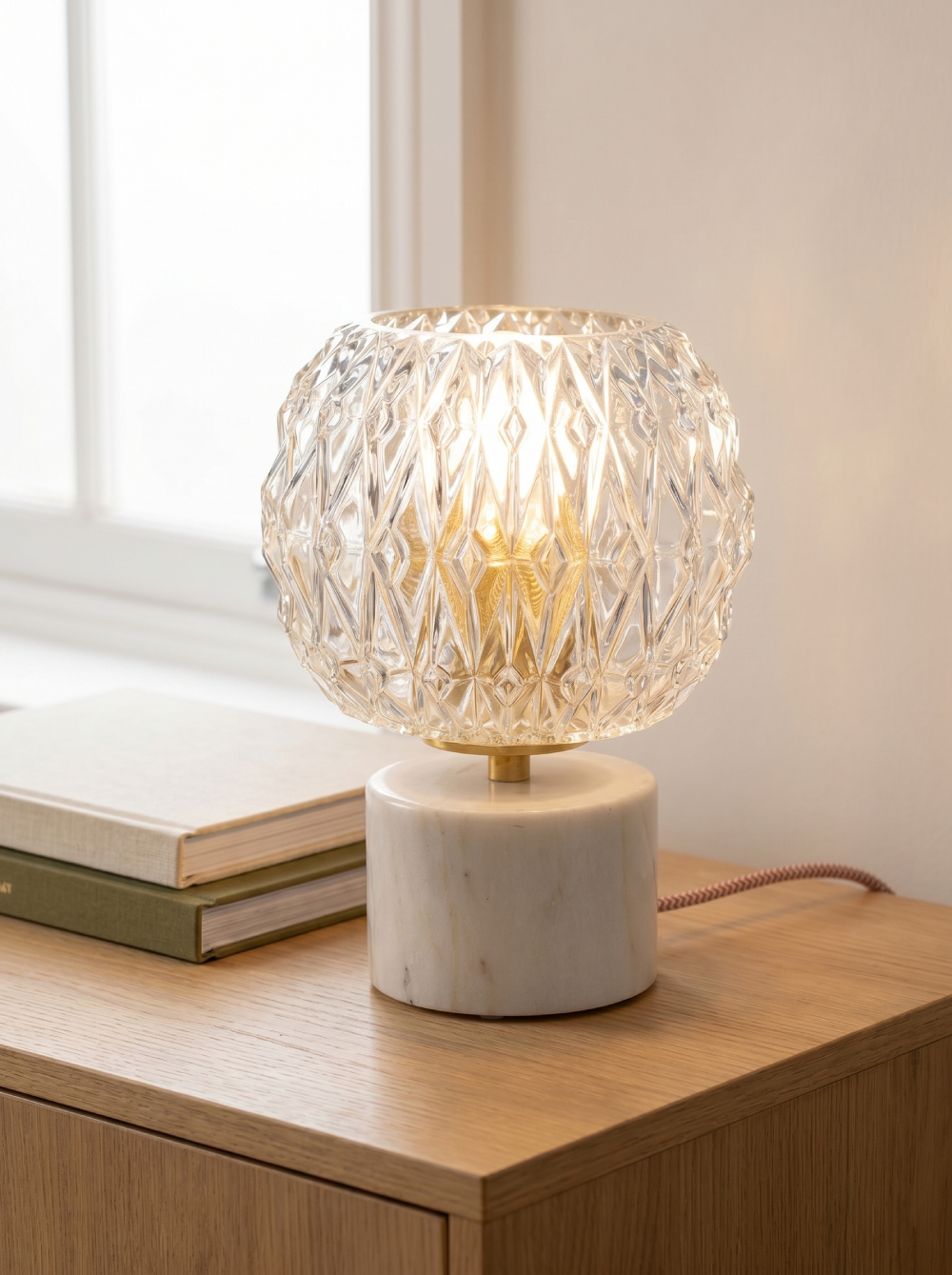
Our vintage lamps are handcrafted in our Lisbon workshop using antique glassware sourced in Portugal or glass globes reproduced using traditional artisanal techniques. Each light fixture combines glass—blown, tinted, fluted, or smooth—with a base made of natural marble or raw brass. The result is a creation that embodies the two worlds we discuss throughout this article: the authenticity of antique materials and the elegance of a contemporary design that pays homage to the art of living of yesteryear.
Whether you prefer authentic vintage—appreciating patina and history—or contemporary retro style—loving precise reproductions and fine craftsmanship—our designs will blend seamlessly into your decor and add that extra touch of character you’re looking for. An enameled metal portable lamp for your character-filled kitchen, a blown-glass pendant light for your living room, a brass and marble table lamp for your office: each piece is designed to be the focal point of your home—the one your eyes seek out the moment you enter the room, the one your guests ask about.
→ Discover our collection of vintage light fixtures, designed and handcrafted in our workshop in Lisbon.
A vintage item is an authentic piece from a specific era, typically made between the 1920s and the 1970s. Retro, on the other hand, refers to a contemporary creation that mimics the aesthetic codes of a specific decade (the 1950s, 1960s, 1970s, etc.) without being old. One is authentic; the other is a reinterpretation.
No. Vintage style is a decorative approach that aims to create a warm, weathered atmosphere, without necessarily using authentic antique pieces. Retro is more specific: it refers to an identifiable era and its characteristic motifs. You can decorate in a “vintage style” with new furniture; retro decor specifically imitates the 1950s or 1970s.
A vintage piece of furniture shows signs of natural wear (patina, slight scratches), features high-quality materials (solid wood, weathered metal, brass, blown glass), and has a meticulous, handcrafted finish. Mortise-and-tenon joints, brass hardware, and dense woods are good indicators. If in doubt, an antique dealer or a specialized flea market can confirm its authenticity.
Yes, and it’s actually the easiest approach. An authentic vintage mirror can work perfectly well alongside a new retro light fixture or a vintage-style piece of furniture. The key is to maintain a cohesive palette (colors, materials, era) to avoid a cluttered look.
Flea markets (Saint-Ouen in Paris, the Braderie de Lille, and the Puces de Lyon), village flea markets, thrift stores, and specialty antique dealers are the best places to look. Online, platforms like Selency, Le Bon Coin, or Etsy France let you find vintage items that can be shipped anywhere in France.
Vintage, vintage style, or retro: far from being interchangeable, these three concepts refer to three complementary approaches to interior design that are both intentional and full of character. Vintage focuses on the authenticity of the original piece—its fine materials, its irreplaceable patina, and its unique, unseen history. Vintage style frees aesthetics from the constraints of authenticity to create a warm atmosphere using new or carefully selected pieces. Retro allows for creative freedom—it reinterprets the codes of the past, adapting the patterns and forms of a decade to our contemporary daily lives, with the freedom of an artist who draws inspiration without copying.
Whatever your taste—whether it’s an authentic piece or a carefully curated reproduction, chic vintage or unapologetic retro style—one thing is certain: decorating with thoughtfully chosen, meaningful pieces means creating an interior that fully reflects who you are, that accurately tells your story, and that elegantly stands the test of time. Your home deserves this attention.

Discover our collection of timeless lamps
There are interiors where light does more than just illuminate—it soothes. With a wabi-sabi lamp, this soft light becomes the centerpiece of the decor. This
Kitchen lighting is never just a minor detail. As the heart of your home, your kitchen is where you prepare meals in the morning, enjoy
Slow decorating has emerged as an elegant response to an era saturated with objects and fleeting trends. Far from standardized, disposable interiors, it invites us