
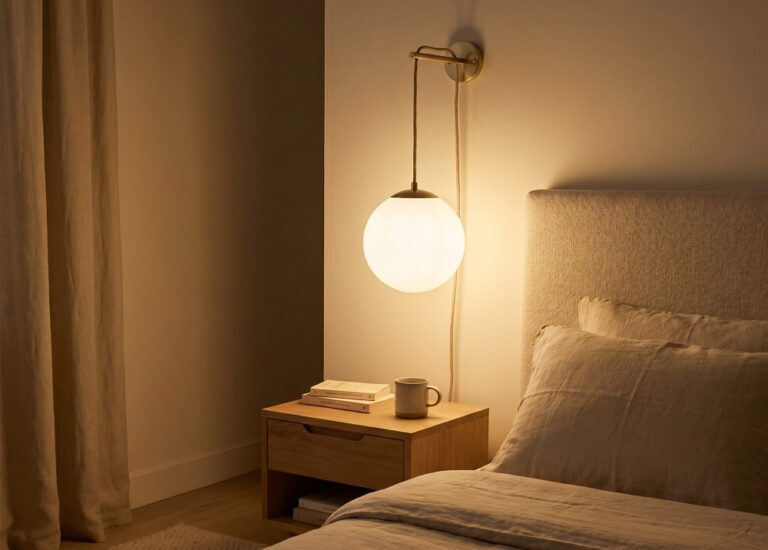
Wabi-Sabi Lamp : Creating Soft Lighting for a Serene Interior
There are interiors where light does more than just illuminate—it soothes. With a wabi-sabi lamp, this soft light becomes the centerpiece of the decor. This
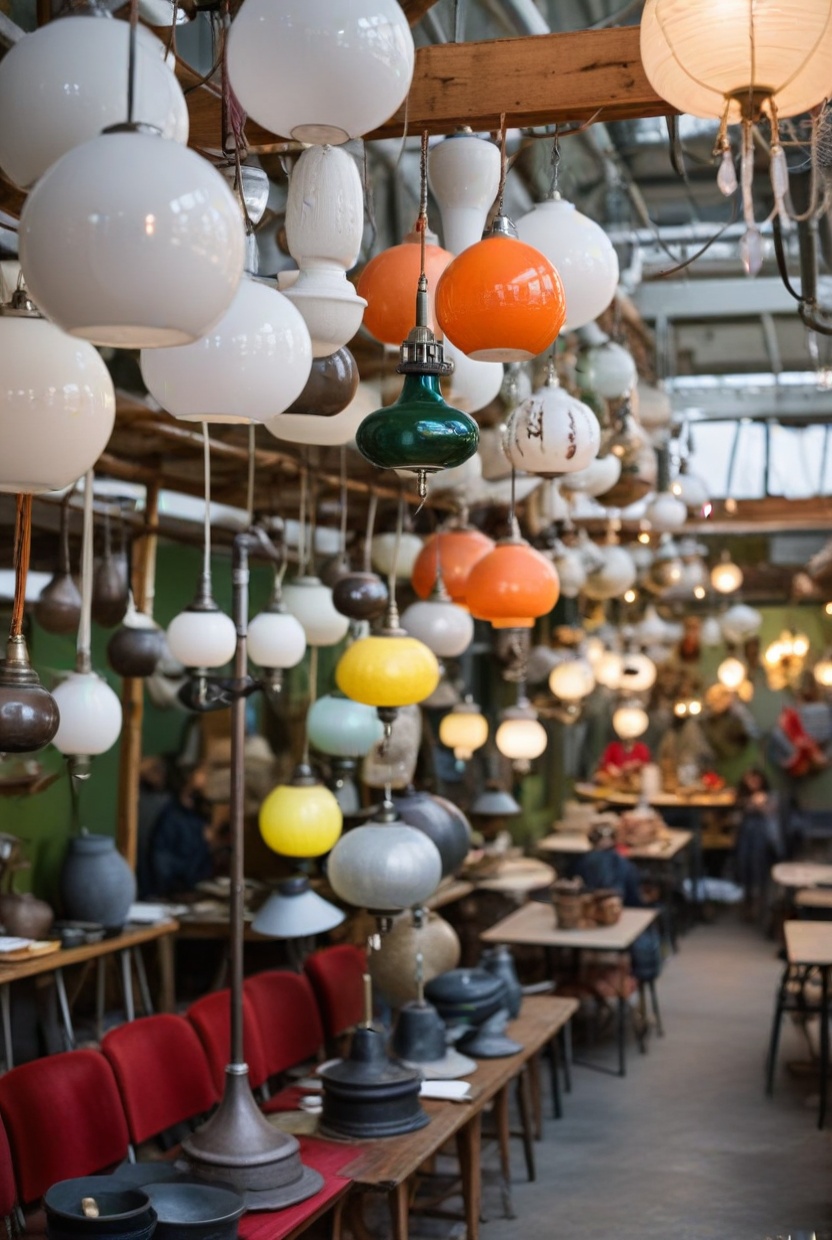
Why Are Vintage Lamps So Sought After?
Because they tell a story, carry their era with style, and bring a unique soul to our interiors. A vintage light fixture isn’t just a decorative object: it’s a statement piece, often rare, blending authenticity, iconic or period design, and era-specific craftsmanship. It’s also a way to bring genuine old-world character into your interior decor.
But with the growing craze for retro style, it’s not always easy to find your way. Re-editions, reproductions, counterfeits… how can you be sure you’re making the right choice? How do you identify an authentic period piece without getting it wrong? Whether you’re hunting through flea markets, browsing a specialist site, or inheriting an old light fixture, certain telltale signs never lie.
By the end of this article, you’ll know how to spot a genuine vintage lamp, recognize the signs of period craftsmanship, and above all, avoid the most common pitfalls. Shapes, materials, bronze, marble, ceramic, maker’s marks, industrial style, eras: we’re sharing every clue to turn you into a true vintage connoisseur. Ready to light up your home with style and character? Let’s dive in.
Contents
ToggleDefinition and the Difference Between Vintage, Retro, and Antique
A vintage lamp is an old light fixture, generally made between the 1920s and the 1980s, that has stood the test of time without losing its charm. It’s usually original — meaning it comes from production of its own era — rather than a reproduction. This is what sets it apart from a retro lamp, which imitates an old style while being manufactured recently using modern materials and techniques.
It’s also important not to confuse vintage with antique. A lamp is considered vintage when it’s roughly 20 to 100 years old, whereas an antique is an object over 100 years old, often rarer and regarded as a heritage collector’s piece.
Among the key decades that shaped this style, you’ll find:
– The 1920s-1930s, marked by the geometric lines of Art Deco
– The 1950s-1960s, the golden age of Scandinavian design and organic forms
– The 1970s-1980s, bolder still, blending colored plastic, chrome, and pop spirit
In terms of materials, these light fixtures are often made from blown glass, brass, steel, solid wood, or glazed ceramic. Their style faithfully reflects the aesthetic of their era — and it’s precisely this connection to the past that gives them their decorative value and unique character.
Wondering how to recognize a vintage lamp? How to choose the right one? Several details can help you identify an exceptional piece that has kept its authenticity, and help you avoid modern replicas. From the choice of components to the design, and the features specific to each era, here are the key points to check to spot an authentic lamp.
Patinated metals, hand-worked glass, artisanal ceramic
Such a lamp stands out through quality materials typical of its manufacturing period. You’ll often find patinated brass, copper, blown or molded glass, as well as artisanal ceramic. These elements reveal unique characteristics: textures, reflections, irregularities, natural patina…
How to Tell a Genuine Period Finish?
To identify an original surface finish, check the details: irregular wear, a subtle patina on the metal, air bubbles in the glass, or a slightly crackled glaze. Copies, on the other hand, often look too smooth or artificially aged, lacking depth and history. Here are 3 photos illustrating the effects of time on these materials.
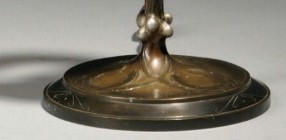
Natural aging of materials
Style also shows in the condition of the piece. A well-worn lamp displays signs of use: patinated metal, traces of oxidation, faded varnish, slightly discolored braided cables. These features are part of its charm and confirm its origin. Opting for a pendant light or lamp with this kind of history means embracing its flaws and imperfections as part of its story. It’s also about giving it a second life.
How to Know If a Lamp Has Been Restored?
A lamp may have been restored (socket, cable, switch). This isn’t a flaw as long as the restoration respects the piece’s original shape and materials. To check, examine the solder joints, any replaced parts, or differences in finish. A well-done restoration extends the life of a genuine period piece without betraying its original style.
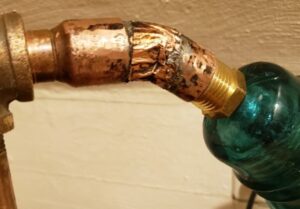
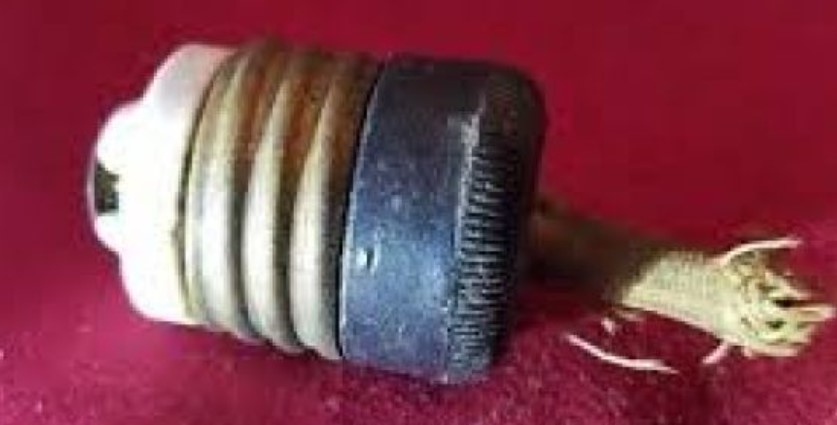
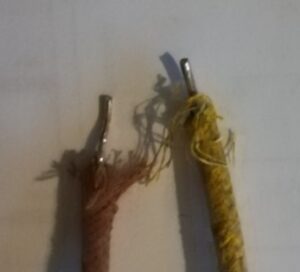
Need help choosing? Contact us for personalized advice!
Once you know how to identify a light fixture, you still need to know where to find one! Between flea markets, antique dealers, online platforms, and specialist shops, there’s no shortage of options… but they’re not all equal. Here are our recommendations for finding a genuine one without getting it wrong.
Antique dealers and flea market sellers remain an excellent source for hunting down old, sometimes rare pieces. The advantage? You can see the light fixture in person, appreciate its materials and design, and sometimes even chat with a passionate seller who knows its history.
Online, several specialist sites let you make your choice remotely — but be careful to properly verify the authenticity of the items on offer.
At Alfama Chic, we carefully select every glass globe to give it a second life. Each lamp is upcycled, restored, and hand-assembled in our workshop near Lisbon, Portugal, combining fine materials such as glass, marble, and brushed brass. Our goal: to offer vintage-style light creations that are authentic and durable, with that little extra soul that makes all the difference. The light, the tones, the colors, the choice of different models — all of it matters. Giving you the chance to bring a trace of the last century into your contemporary world feels like a key part of what we do; a way of weaving a subtle thread between past and present, between family memory and personal expression.
Platforms like Le Bon Coin, Vinted, or Facebook Marketplace are full of tempting listings. But beware: not everything labeled “vintage” actually is. Some are recent replicas or modern products artificially aged. Others may have technical flaws, fail to meet electrical safety standards, or contain non-original parts.
Before buying, check the details: estimated age, materials used, condition of the components, and any maker’s marks. Don’t hesitate to ask questions and request several photos. If in doubt, it’s better to hold off… or turn to a vintage lighting specialist.
Buying from a specialist means choosing quality, safety, and traceability. You benefit from:
– A rigorous selection of antique pieces and glass globes
– Expertise in styles and eras
– Restoration or assembly carried out to a high standard
– And above all, a guarantee of compliance and durability
At Alfama Chic, each table lamp is assembled with passion and precision.
The glass globes are carefully sourced secondhand, then thoughtfully restored to reveal their full shine.
The marble bases, designed and made in Portugal, come from renowned quarries such as Estremoz, a guarantee of elegance and durability. Every lamp and pendant light is the result of demanding craftsmanship, shaped with patience, an eye for detail, and respect for fine materials. Our main goal is to bring a genuine vintage touch to your interior.
Discover our vintage table lamps
An authentic vintage lamp is a decorative treasure… provided you take good care of it. Whether you simply want to clean your light source or bring it back to life, certain precautions are essential to preserve its original character and protect its value. Here are our recommendations for restoring your table lamp’s full shine without compromising its authenticity. Consider switching to an LED bulb to save energy.
First and foremost, always unplug your light fixture before cleaning. Use a soft, dry or lightly damp cloth to dust the surfaces. For molded glass components, use a mix of lukewarm water and mild soap, without fully submerging the piece, and dry thoroughly afterward. Brushed brass or patinated metal elements should be cleaned with a microfiber cloth, without abrasive products: these period finishes are an integral part of its character.
Absolutely avoid solvents, acidic vinegar, or standard household cleaning products, as they could damage the materials and original features. Gentle, regular care will keep your light fixture beautiful for years to come.
In many cases, yes. Even if an old lamp looks great, its original electrical system may be outdated or fail to meet current safety standards. We strongly recommend having the wiring, socket, and switch checked by a professional. This ensures not only your safety, but also reliable everyday use.
At Alfama Chic, all our light fixtures are hand-reassembled with brand-new electrical components (braided fabric cords, CE-certified sockets) while respecting their original aesthetic. This way, each creation combines the beauty of vintage design with modern safety.
Restoring a light fixture doesn’t mean stripping away its character. On the contrary, a respectful restoration should enhance the lamp without erasing the marks of time. It’s not about making it “look brand new,” but about preserving the soul of the piece while ensuring its longevity.
Keep as many original elements as possible: base, shade, hardware, finishes. If a part needs replacing, choose materials compatible with those of the period. The value of a piece like this rests mainly on its authenticity: its light wear, its patina, and its one-of-a-kind look. A well-thought-out restoration therefore extends the life of your light fixture while keeping its vintage style intact, so you can enjoy a warm, welcoming ambiance.

Discover our collection of timeless lamps
There are interiors where light does more than just illuminate—it soothes. With a wabi-sabi lamp, this soft light becomes the centerpiece of the decor. This
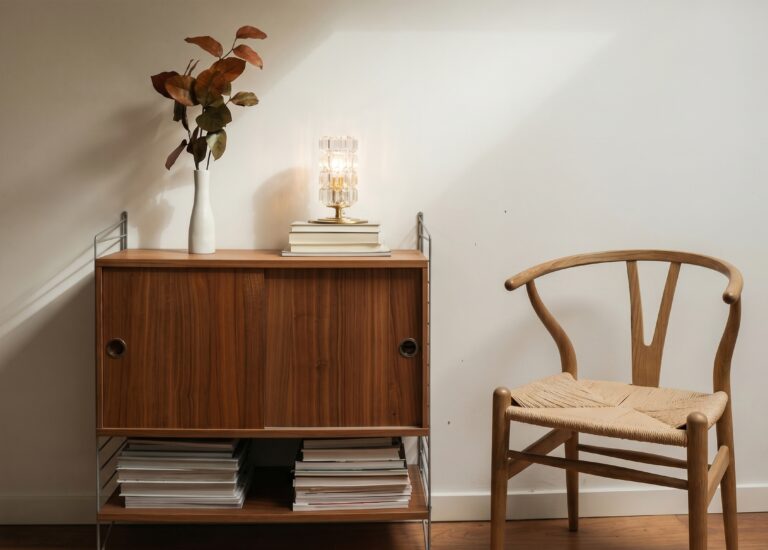
Vintage or retro? These two terms appear in every home decor magazine, adorn the windows of flea markets, and feature prominently on interior design websites.
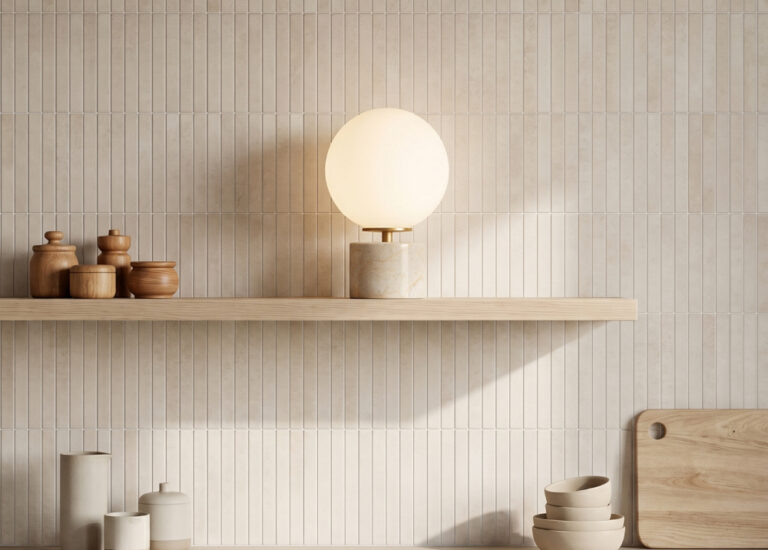
Kitchen lighting is never just a minor detail. As the heart of your home, your kitchen is where you prepare meals in the morning, enjoy