
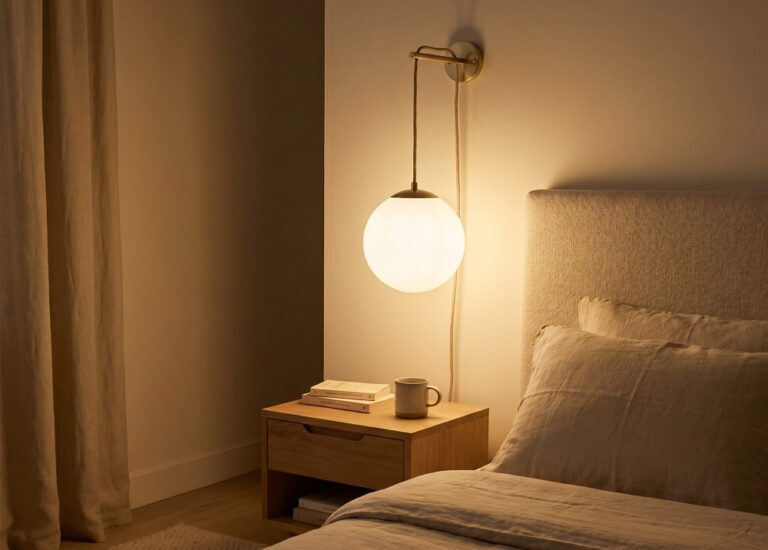
Wabi-Sabi Lamp : Creating Soft Lighting for a Serene Interior
There are interiors where light does more than just illuminate—it soothes. With a wabi-sabi lamp, this soft light becomes the centerpiece of the decor. This
Lighting plays a crucial role in enhancing and setting the atmosphere of our interiors. With the advent of LEDs, we now have a wider array of choices at our disposal than ever before. However, how do we determine the ideal size of LED for your home? Which type of LED bulb should you choose? What base is the most suitable? Let’s explore these questions.
Sommaire
ToggleBefore selecting an LED bulb, it’s crucial to define your needs. Do you want functional lighting for a kitchen or office? Or are you looking for a warm ambiance for a living room or bedroom? The answer to this question will greatly influence your choice.
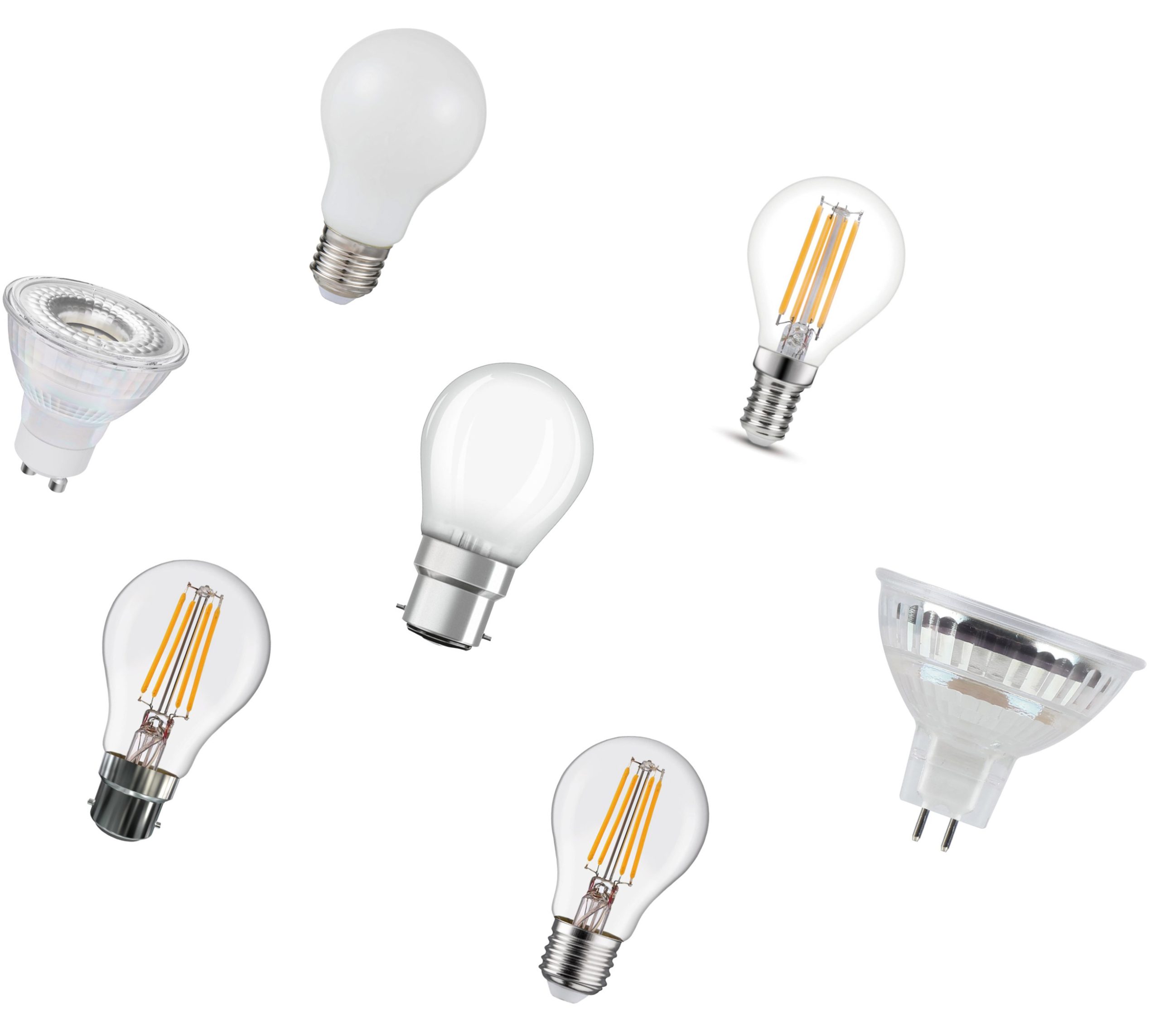
LED Spotlights: Ideal for directional lighting, they are often used in kitchens or bathrooms.
Standard LED Bulbs: Resembling traditional incandescent bulbs, they are perfect for most domestic uses.
LED Globe Bulbs: With their round shape, they are aesthetically pleasing and often used in light fixtures where the bulb is visible.
LED Tubes: Replacing old fluorescent tubes, they are perfect for offices or garages.
The base is the part of the bulb that connects to the light fixture’s socket. There are several types of bases, and it’s essential to choose one that is compatible with your fixture.
E27: This is the standard base for many lamps, with a diameter of 27 mm.
E14: Often referred to as “small base,” it has a diameter of 14 mm.
GU10: Mainly used for LED spotlights.
B22: Less common, this bayonet base is sometimes used in older light fixtures.
The size of your bulb will depend on the space available and the type of light fixture you have. For example, a recessed fixture will require a smaller bulb than a pendant fixture. Be sure to measure the available space before purchasing your LED bulb.
Don’t forget to consider the brightness (measured in lumens) and the colour temperature (measured in kelvins). A warmer light (fewer kelvins) will create a cosy ambiance, while a cooler light (more kelvins) will be more stimulating.
Conclusion
Choosing the right LED for your interior might seem complex, but by following these tips, you’ll be well-equipped to make the best choice. Remember, the key is to create lighting that meets your needs and the desired atmosphere. Happy lighting !
LEDs (light-emitting diodes) have become increasingly popular in recent years due to their energy efficiency and long service life. There are several types of LEDs available on the market, each with specific characteristics and applications. In this article, we will explore the different types of LEDs, their diameters and bases.
SMD LEDs, or Surface-Mount Device LEDs, are small diodes (1 to 6 mm in diameter) that can be used for a variety of applications. SMD LEDs are often used in electronic devices, display panels, TV screens, LED lights and LED backlights. SMD LEDs usually have SMT (surface-mount technology) base.
High power LEDs are larger diodes (7 to 12 mm in diameter) that can emit very bright light. High power LEDs are often used in street lights, outdoor lights, floodlights and car headlights. High power LEDs can have different types of bases, such as GU10 base, E27 base and E14 base.
COB (Chip-on-Board) LEDs are diodes that are directly attached to a printed circuit board. COB LEDs can be up to 50mm in diameter and are often used in indoor lighting, stage lighting and landscape lighting. COB LEDs usually have a G53 or GU10 base.
LED filaments are diodes that mimic the appearance of old incandescent bulbs. Filament LEDs have a diameter of 4mm to 8mm and are often used in decorative lights, chandeliers and hanging lights. Filament LEDs can have different types of bases, such as E27 base, E14 base and B22 base.
In summary, there are several types of LEDs with different diameters and bases. The choice of LED will depend on the application and the desired lighting effect. Before choosing an LED, it is important to check the technical specifications of the lighting fixture in which it will be used to ensure its compatibility. By choosing the right LED, you can achieve superior light quality while saving energy.
Discover our collection of timeless lamps
There are interiors where light does more than just illuminate—it soothes. With a wabi-sabi lamp, this soft light becomes the centerpiece of the decor. This
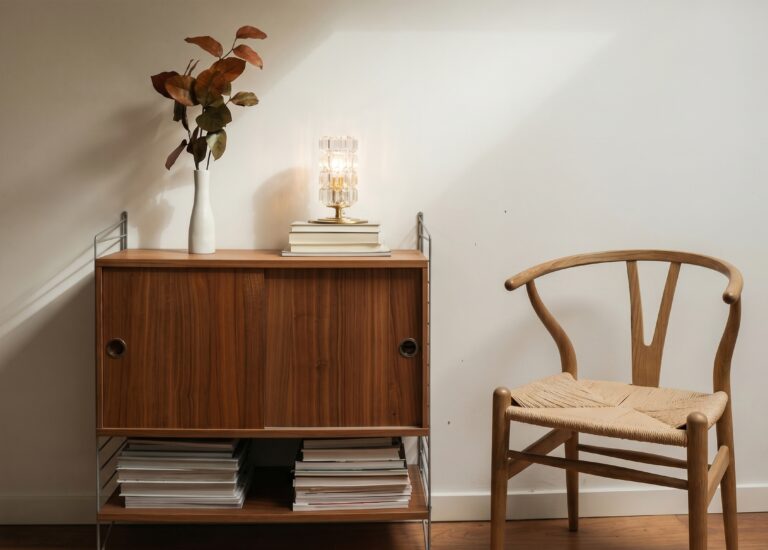
Vintage or retro? These two terms appear in every home decor magazine, adorn the windows of flea markets, and feature prominently on interior design websites.
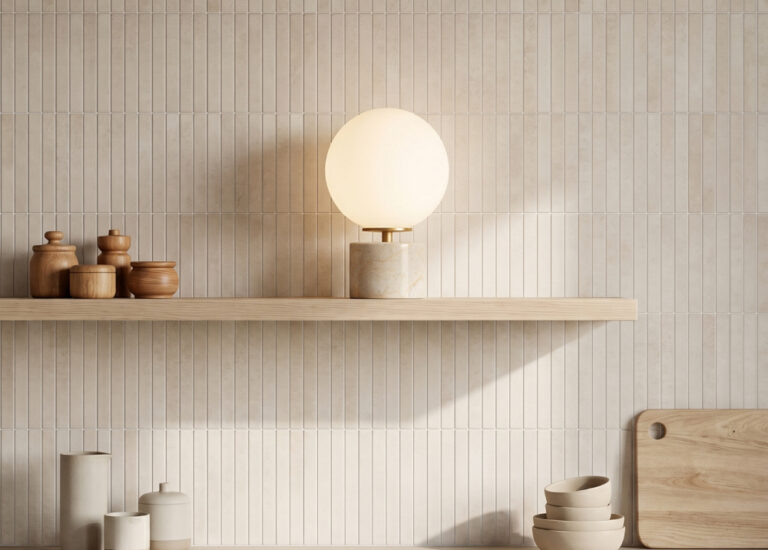
Kitchen lighting is never just a minor detail. As the heart of your home, your kitchen is where you prepare meals in the morning, enjoy