
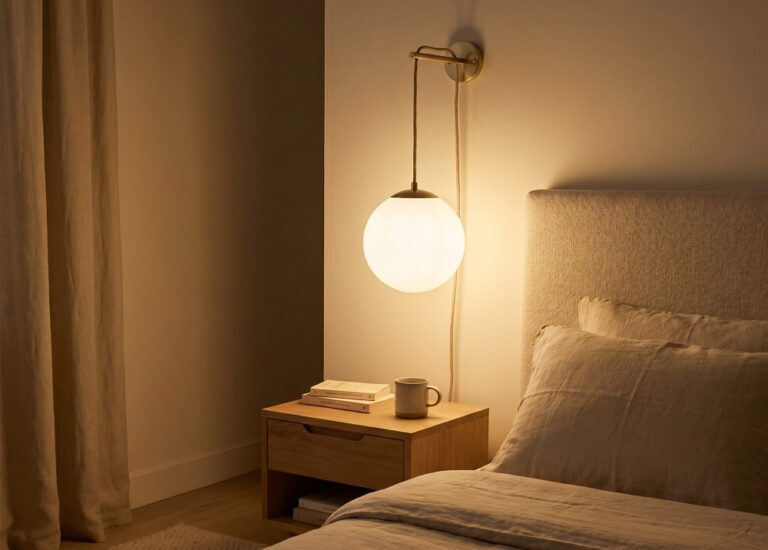
Wabi-Sabi Lamp : Creating Soft Lighting for a Serene Interior
There are interiors where light does more than just illuminate—it soothes. With a wabi-sabi lamp, this soft light becomes the centerpiece of the decor. This

The 1920s embody elegance, glamour and modernity. Art Deco, born in this prosperous era, still inspires interiors seeking character, noble materials and a refined atmosphere.
If you dream of a chic, structured and bright home, vintage Art Deco is the perfect style. With deep colours, graphic contrasts, opaline glass and brass accents, this decorative movement remains one of the most sophisticated of the 20th century.
In this article, I guide you through the codes of the Roaring Twenties and how to easily integrate them into your home — with lighting as the centrepiece, the key element of a successful Art Deco interior.
Sommaire
ToggleArt Deco emerged in the early 1920s as a genuine artistic movement that disrupted traditional decorative rules. Born in the euphoria of the Roaring Twenties, it embodies a desire for novelty, modernity and luxury.
Its geometric lines, noble materials and elegant, structured aesthetic made it essential in the interiors of the time… and it remains just as relevant today.
Art Deco blends refinement, form, function and high-quality materials. A timeless style that radiates glamour while staying minimalist and harmonious.
The goal is to create a structured, balanced and resolutely modern interior. Art Deco expresses a discreet form of luxury through brass, marble, dark lacquered wood, velvet and opaline glass.
Art Nouveau (1890–1914): organic shapes, floral motifs, curves inspired by nature.
Art Deco (1918–1939): geometric forms, symmetry, luxurious materials, urban and glamorous spirit.

Creating a vintage Art Deco interior is not about collecting retro pieces. It is a true art of balance: bold colours, geometric patterns and noble materials shaping a refined and timeless space.
The style relies on strong contrasts: light/dark, matte/gloss, marble/brass.

Adopting Art Deco today means blending elegance, modernity and noble materials. The goal: respect the codes of the 1920s without falling into a total-look reproduction.
A controlled mix & match:

In an Art Deco interior, lighting is a true statement piece. It shapes the atmosphere, structures the space and instantly evokes the aesthetics of the 1920s.
Art Deco plays with contrast and reflection. Light highlights noble materials such as marble, brass and velvet.
Opaline glass diffuses a soft, enveloping and warm light — perfect for a living room, bedroom or refined entrance.
These two emblematic materials offer balance, elegance and durability. They are at the core of the Alfama Chic identity.
To recreate the elegance of the 1920s, discover our opaline glass, marble and brass lighting. → View the collection
Art Deco is making a spectacular comeback. In a world overwhelmed with fleeting trends, it brings durability, elegance and quality.
Its geometric forms and noble materials endure through the decades without losing their impact.
People seek authenticity, natural materials and craftsmanship. Alfama Chic embodies this through lighting handmade in Portugal.
A single opaline glass lamp or a marble base is often enough to transform a room. It’s instant chic.
Our lamps follow the true Art Deco codes: noble materials, artisanal manufacturing and timeless design. → Discover the models
Art Deco shapes interiors that are balanced, sophisticated and timeless. With just a few key elements — opaline glass, marble, brass, dark wood — the atmosphere changes instantly.
Want to create a luminous and refined Art Deco interior? Discover our lamps handmade in Lisbon. → Explore Alfama Chic custom lamps

Art Nouveau (1890–1914) draws its inspiration from nature: organic shapes, curved lines, floral motifs and arabesques.
Art Deco (1918–1939), on the other hand, is built on geometry: symmetry, straight lines, fan motifs, chevrons and zigzags. Materials are more luxurious such as marble, brass, opaline glass, velvet and dark wood.
Summary:
Art Deco appears around 1918, flourishes throughout the 1920s and remains a major design reference until the late 1930s. It symbolises innovation, refinement and a taste for noble materials.
A genuine Art Deco interior is defined by:
Sculptural lighting is one of the strongest signatures of the style.
By choosing a few impactful pieces:
Finding a sense of balance is essential. Two or three well-chosen elements are enough to create a strong Art Deco look.
Art Deco lighting is defined by geometric forms and high-end materials. Key features include:
These codes are naturally reflected in Alfama Chic lighting, designed to recreate the elegance of the 1920s.
The foundational materials of Art Deco are:
Together, they create interiors that are refined, structured and unmistakably Art Deco.
Discover our collection of timeless lamps
There are interiors where light does more than just illuminate—it soothes. With a wabi-sabi lamp, this soft light becomes the centerpiece of the decor. This
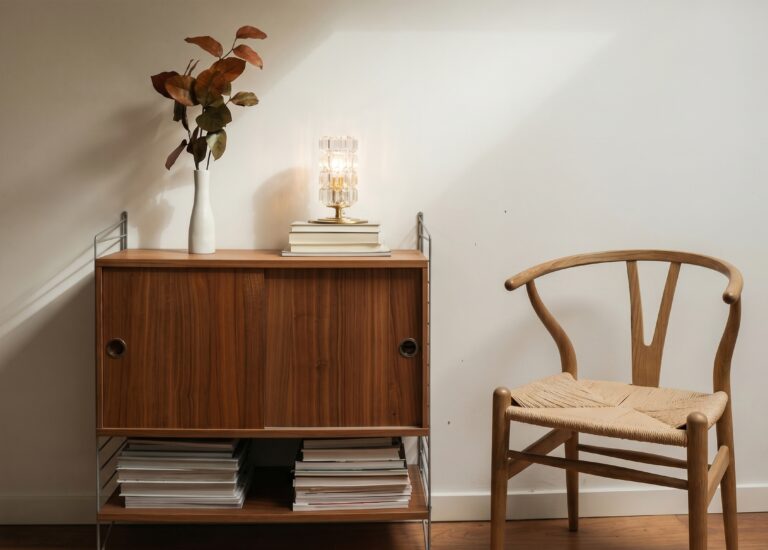
Vintage or retro? These two terms appear in every home decor magazine, adorn the windows of flea markets, and feature prominently on interior design websites.
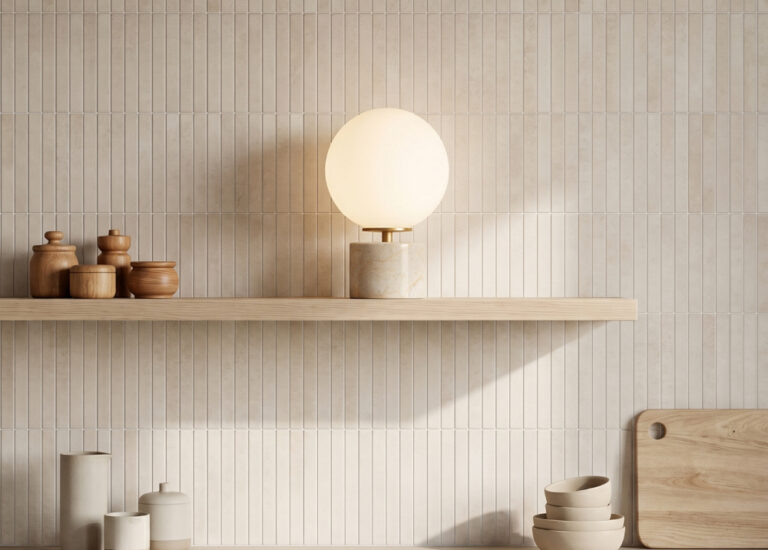
Kitchen lighting is never just a minor detail. As the heart of your home, your kitchen is where you prepare meals in the morning, enjoy